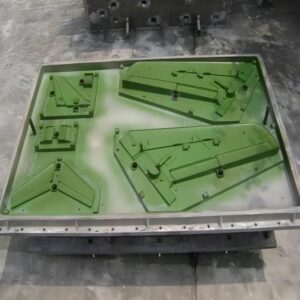
EPP fruit box mold is a mold used to produce EPP (Expanded Polypropylene, foamed polypropylene) fruit boxes.
EPP fruit box mold (foamed polypropylene fruit box mold) is a mold used to produce EPP (Expanded Polypropylene, foamed polypropylene) fruit boxes.
An EPP fruit box is a lightweight, durable, and thermally insulating container used for packaging, transporting, and displaying fruits like berries, cherries, grapes, peaches, and delicate produce.
Material (EPP): Expanded Polypropylene is a closed-cell foam bead. It’s known for being:
Excellent cushioning: Protects against impact and vibration damage.
Thermal insulation: Helps maintain temperature, useful for cold chain logistics.
Lightweight: Reduces shipping costs.
Water-resistant: Doesn’t absorb moisture.
Reusable and recyclable: More sustainable than many alternatives.
It’s a precision aluminum tool (usually) installed in a specialized steam-chest molding machine. The mold defines the shape, size, wall thickness, and surface texture of the final EPP box.
Key Components of the Mold:
Core & Cavity: The two main halves that form the interior and exterior shapes.
Steam Vents: Tiny holes that allow live steam to penetrate and fuse the EPP beads together.
Cooling Channels: Internal passages for circulating water to cool the molded part and solidify it.
Ejection System: Pins or plates to push the finished part out of the mold without damage.
Clamping Flanges: Secure the mold inside the molding machine.
Pre-expansion: Raw EPP beads are expanded with steam to a pre-determined density.
Mold Filling: The beads are blown into the closed cavity of the pre-heated mold.
Steam Heating: High-pressure steam is injected through the mold vents. This causes the beads to fully expand, fuse together, and take the exact shape of the mold.
Cooling: Water circulates through the cooling channels to set the part’s shape.
Ejection: The mold opens, and the finished fruit box is ejected.
Drying & Finishing: The box is dried (to remove residual moisture) and can be trimmed or printed on.
When designing or ordering an EPP fruit box mold, these factors are critical:
Part Design: The mold is the inverse. Considerations include:
Stackability/Restackability: Ribs and ledges must align for secure stacking.
Vent Holes: For produce freshness, designed into the mold.
Handholds & Ergonomic Features.
Branding Areas: Smooth surfaces for printing labels or logos.
Mold Material: Aluminum is standard for its excellent thermal conductivity and machinability.
Surface Finish: A smooth polish is often needed for easy part ejection and a good aesthetic finish. Textured surfaces can also be specified for grip.
Mold Flow & Bead Distribution: The design must ensure even bead filling to avoid weak spots or density variations.
Production Volume: Molds are built to withstand specific cycle counts (e.g., 500,000 cycles).
Single-cavity Mold: Produces one box per cycle. Good for low volume or large boxes.
Multi-cavity Mold: Produces 2, 4, 6, or more boxes per cycle. Essential for high-volume production (e.g., small pint or quart berry baskets).
Family Mold: Produces different but related parts (e.g., a base and a lid) in the same cycle.
High-quality materials: The mold is usually made of high-quality aluminum alloy materials, which are high in strength and durability. It can withstand the pressure and temperature during the EPP molding process and ensure the service life of the mold. In addition, the weight of the aluminum alloy mold is relatively light, which is easy to carry and install.
Reasonable structural design: The structural design of the mold needs to be customized according to the shape, size and production requirements of the fruit box. Generally speaking, the mold is divided into two parts: the cavity and the core. The cavity is used to form the external shape of the fruit box, and the core is used to form the internal space of the fruit box. The surface of the mold is usually specially treated, such as covering with Teflon coating, to ensure that the EPP material can be demolded smoothly during the molding process and will not cause damage to the mold surface.
Good product performance: The produced EPP fruit box is light in weight, heat-resistant and heat-insulating, and has excellent shock and pressure resistance, which can effectively protect the fruit from damage during transportation and storage. EPP material also has good insulation properties, which can keep the temperature in the fruit box stable and extend the shelf life of the fruit.
High mold flexibility: Customized design can be made according to different fruit types and size requirements to produce fruit boxes of various shapes and specifications to meet the diverse needs of the market.
Environmentally friendly and sustainable: EPP material is a recyclable and environmentally friendly material. Fruit boxes produced using EPP fruit box molds can be recycled after being discarded to reduce pollution to the environment.
Widely used in the transportation, storage and sales of fruits. For example, in fruit wholesale markets, fruit stores, supermarkets and other places, EPP fruit boxes can be used to store and transport various fruits to ensure the quality and freshness of the fruits. In the e-commerce sales of fruits, EPP fruit boxes can also be used as packaging materials to provide good protection for fruits and improve customer satisfaction.
We adhere to the quality concept of “keep improving”, and strive to provide customers with the best products and services.
WhatsApp us
We will contact you soon,please pay attention to the email with the suffix”@epsole.com”.