In modern manufacturing, companies are constantly searching for faster, more cost-effective, and more flexible production methods. Two technologies that have attracted significant attention in recent years are 3D printing vs injection molding.
Both manufacturing processes allow companies to create complex plastic parts, prototypes, and industrial components, but they serve very different purposes. Choosing between 3D printing and injection molding depends on factors such as production volume, material requirements, product complexity, cost, and development time.
What Is 3D Printing?
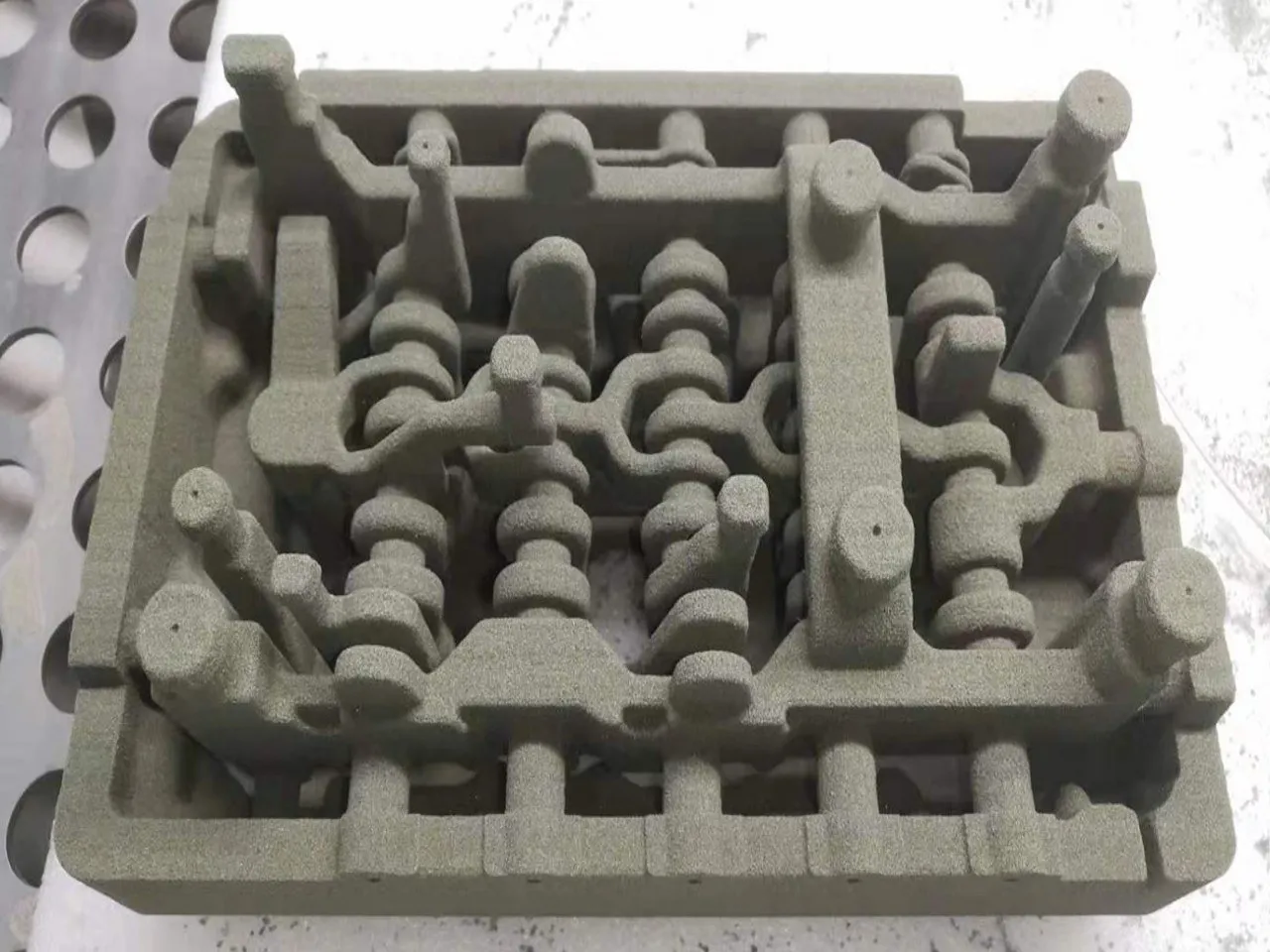
A 3D printing mould is a mold manufactured through additive manufacturing technology using a digital 3D model.
Unlike traditional molds that are usually produced through:
- CNC machining
- Milling
- Turning
- Electrical discharge machining (EDM)
- Casting
3D printed molds are created by depositing materials layer by layer until the final mold shape is completed.
The basic workflow includes:
- Creating a CAD design
- Converting the model into a printable file
- Selecting suitable printing materials
- Printing the mold structure
- Post-processing and finishing
- Testing the mold for production
Depending on the application, 3D printed molds can be used for:
- Prototype molding
- Injection molding testing
- Vacuum forming
- Silicone casting
- Composite molding
- Foam product development
How Does 3D Printing Mould Work?
The production process of a 3D printed mold involves several key steps.
Digital Mold Design
The process begins with a digital design created using CAD software.
Engineers design:
- Mold cavity
- Core structure
- Product geometry
- Cooling channels
- Supporting structures
Common design software includes:
- SolidWorks
- AutoCAD
- CATIA
- Fusion 360
The digital model determines the final accuracy and performance of the mold.
File Preparation and Slicing
After completing the CAD model, the file is converted into a format recognized by the 3D printer.
Common formats include:
- STL
- OBJ
- STEP
Slicing software divides the model into thousands of thin layers.
The printer then builds the mold layer by layer according to these instructions.
3D Printing Process
Different 3D printing technologies can be used to manufacture molds.
Common technologies include:
- FDM (Fused Deposition Modeling)
- SLA (Stereolithography)
- SLS (Selective Laser Sintering)
- SLM (Selective Laser Melting)
Each method provides different levels of:
- Accuracy
- Strength
- Surface quality
- Material compatibility
Post-Processing
After printing, the mold may require additional treatment.
Common post-processing methods include:
- Sanding
- Polishing
- Coating
- Heat treatment
- Surface finishing
These processes improve:
- Mold durability
- Surface smoothness
- Dimensional accuracy
Advantages of 3D Printing Mould
Faster Mold Development
Traditional mold manufacturing may require weeks or months.
3D printing significantly reduces development time because molds can be produced directly from digital designs.
Advantages include:
- Rapid prototyping
- Faster product testing
- Shorter time to market
This is especially valuable for companies developing new products.
Lower Initial Cost
Traditional molds often require expensive tooling processes.
A CNC-machined mold may involve:
- Material costs
- Machine operation
- Skilled labor
- Long processing time
3D printing reduces many of these costs.
It is particularly suitable for:
- Prototypes
- Small production runs
- Experimental designs
Complex Design Capability
One of the biggest advantages of 3D printing is design freedom.
It allows engineers to create:
- Complex geometries
- Internal structures
- Lightweight designs
- Customized mold features
Traditional manufacturing methods may struggle with these designs.
Easy Design Modification
Product development often requires multiple design changes.
With traditional molds, modifications can be expensive and time-consuming.
With 3D printing:
- Modify CAD files
- Reprint the mold
- Test new designs quickly
This improves product development efficiency.
Reduced Material Waste
Traditional machining removes material from large blocks, creating waste.
3D printing adds material only where needed.
Benefits include:
- Lower material consumption
- Reduced waste
- Improved sustainability
What Is Injection Molding?
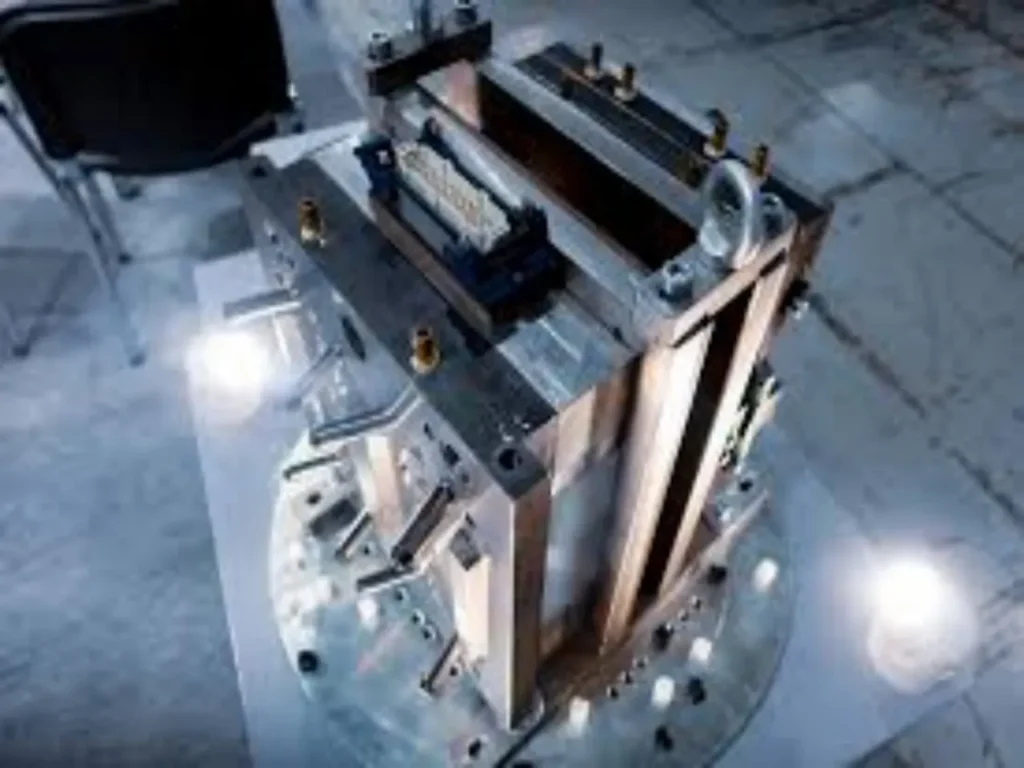
Injection molding is a manufacturing technique used to produce plastic parts by forcing melted material into a mold cavity under high pressure.
The mold acts as a negative shape of the final product. Once the material cools and hardens, it takes the exact shape of the mold.
The basic injection molding process consists of four main stages:
- Material melting
- Injection
- Cooling
- Ejection
This process allows manufacturers to create thousands or even millions of identical parts efficiently.
Common materials used in injection molding include:
- Polypropylene (PP)
- Acrylonitrile Butadiene Styrene (ABS)
- Polyethylene (PE)
- Polycarbonate (PC)
- Nylon (PA)
- Polystyrene (PS)
- Thermoplastic elastomers (TPE)
How Does Injection Molding Work?
Understanding the injection molding process helps explain why it is such an important manufacturing technology.
Step 1: Material Preparation
The process begins with plastic pellets or granules.
These raw materials are stored in a hopper and fed into the injection molding machine.
The material is selected based on product requirements, including:
- Strength
- Flexibility
- Temperature resistance
- Chemical resistance
- Appearance
Different industries require different plastic materials.
For example:
- Automotive parts often use ABS, PP, or reinforced plastics.
- Medical products may require specialized medical-grade polymers.
- Packaging products commonly use lightweight plastics such as PE and PP.
Step 2: Plastic Melting
Inside the injection molding machine, a heated barrel melts the plastic pellets.
A rotating screw performs two functions:
- Mixing the melted plastic
- Moving the material forward
The temperature must be carefully controlled to ensure:
- Proper melting
- Uniform material flow
- Stable product quality
Step 3: Injection Into the Mold
Once the plastic reaches the correct temperature, it is injected into the mold cavity under high pressure.
The injection pressure ensures that the molten plastic fills:
- Small details
- Complex shapes
- Thin sections
The mold design determines the final shape of the product.
A high-quality injection mold must provide:
- Accurate dimensions
- Proper material flow
- Efficient cooling
- Easy part removal
Step 4: Cooling and Solidification
After filling the mold cavity, the plastic begins cooling.
Cooling time depends on:
- Product thickness
- Material type
- Mold temperature
- Cooling system design
Efficient cooling is important because it affects:
- Production speed
- Product quality
- Dimensional accuracy
Modern molds often use optimized cooling channels to reduce cycle time.
Step 5: Mold Opening and Ejection
After the part has solidified, the mold opens.
Ejection systems remove the finished product from the mold.
The mold then closes again, and the next production cycle begins.
Advantages of Injection Molding
Injection molding remains popular because it offers many manufacturing advantages.
1. High Production Efficiency
The biggest advantage of injection molding is speed.
Once a mold is developed, manufacturers can produce large quantities quickly.
Benefits include:
- Short cycle times
- Automated production
- High output capacity
2. Low Cost for Mass Production
Although mold manufacturing requires an initial investment, the cost per part becomes very low when production volume increases.
For example:
- Prototype quantities → expensive
- Thousands of parts → economical
- Millions of parts → highly cost-effective
3. Excellent Product Consistency
Injection molding produces highly repeatable results.
Advantages include:
- Accurate dimensions
- Uniform quality
- Stable performance
This is essential for industries requiring strict standards.
4. Complex Design Capability
Injection molding can produce parts with:
- Detailed features
- Thin walls
- Complex geometries
- Integrated components
Modern mold design allows manufacturers to create increasingly sophisticated products.
5. Wide Material Selection
Manufacturers can choose from hundreds of plastic materials.
Material selection can optimize:
- Strength
- Weight
- Cost
- Performance
3D Printing vs Injection Molding
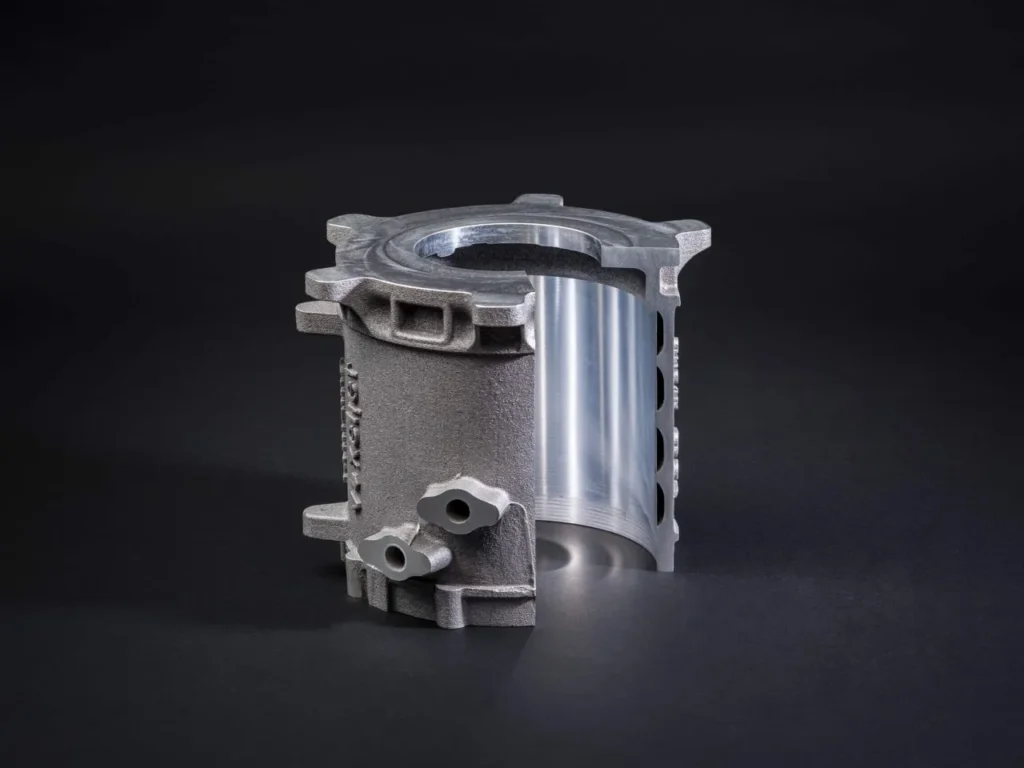
Manufacturing Process Comparison
The biggest difference between 3D printing and injection molding is how products are created.
3D Printing: Additive Manufacturing
3D printing creates parts by adding material layer by layer.
Advantages:
- No tooling required
- Direct production from digital files
- Easy design changes
- Suitable for complex geometries
Because no mold is required, manufacturers can quickly produce prototypes or customized products.
Injection Molding: Mold-Based Manufacturing
Injection molding uses a physical mold to shape products.
Advantages:
- Extremely fast cycle times
- High repeatability
- Excellent surface finish
- Suitable for mass production
Once the mold is completed, thousands or millions of identical parts can be produced efficiently.
Cost Comparison: 3D Printing vs Injection Molding
Cost is one of the most important factors when selecting a manufacturing method.
Initial Investment
3D Printing
3D printing has a low initial investment because it does not require expensive molds.
Companies only need:
- A 3D printer
- Materials
- Digital design files
This makes it ideal for startups, engineers, and companies developing prototypes.
Injection Molding
Injection molding requires significant upfront investment because manufacturers need to create custom molds.
Mold costs depend on:
- Product size
- Mold complexity
- Material selection
- Number of cavities
- Surface requirements
Although the initial cost is higher, the cost per unit becomes very low during mass production.
Cost Per Unit
For small quantities:
3D printing is usually more economical.
For large quantities:
Injection molding is usually more cost-effective.
Example:
Producing 20 prototype parts:
- 3D printing: Low cost
- Injection molding: Expensive because of tooling
Producing 500,000 parts:
- 3D printing: High material and production costs
- Injection molding: Low unit cost
Production Speed Comparison
3D Printing Speed
3D printing allows rapid product development because there is no need to manufacture molds.
Advantages:
- Prototype within hours or days
- Quick design modifications
- Faster product testing
However, printing speed does not increase significantly for large quantities because each part requires printing time.
Injection Molding Speed
Injection molding is extremely efficient for high-volume production.
A single mold cycle may produce one or multiple parts within seconds.
Advantages:
- High production efficiency
- Automated operation
- Consistent output
For industries requiring thousands of parts per day, injection molding provides significant advantages.
Design Flexibility: Which Technology Offers More Freedom?
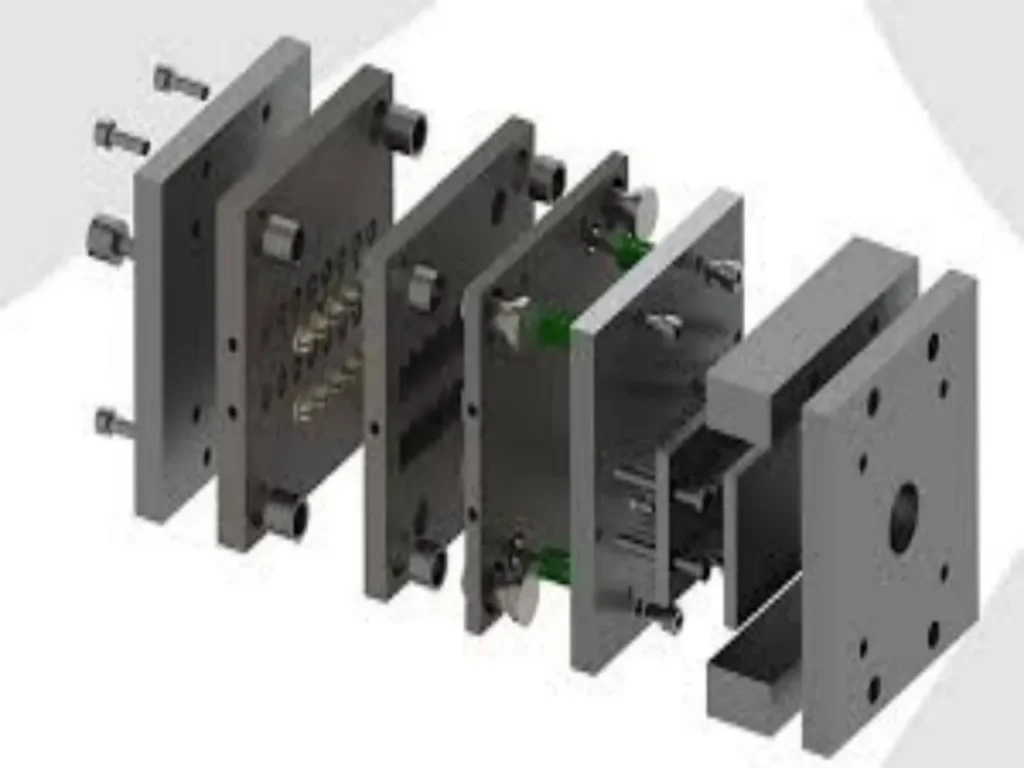
Advantages of 3D Printing Design
3D printing provides almost unlimited design flexibility.
It allows manufacturers to create:
- Complex internal structures
- Lightweight designs
- Customized products
- Organic shapes
- Rapid design changes
Engineers can modify digital models without changing physical tooling.
This makes 3D printing valuable during product development.
Injection Molding Design Considerations
Injection molding has more design limitations.
Products must consider:
- Draft angles
- Wall thickness
- Mold release requirements
- Material flow
However, experienced mold designers can create highly optimized products with excellent performance.
Modern technologies such as CNC machining and simulation software have greatly improved injection molding design capabilities.
Material Performance Comparison
3D Printing Materials
3D printing materials continue to improve, but they may have limitations compared with injection molding materials.
Potential limitations:
- Layer lines
- Lower mechanical strength
- Different properties between printing directions
Injection Molding Materials
Injection molding offers a wider range of engineering-grade materials.
Advantages include:
- Higher strength
- Better durability
- More consistent properties
- Improved surface quality
For demanding applications such as automotive and industrial components, injection molding is often preferred.
Surface Finish and Appearance
Surface quality is another important difference.
3D Printing Surface Finish
3D printed parts may show:
- Layer patterns
- Rough surfaces
- Printing marks
Additional finishing processes may be required.
Injection Molding Surface Finish
Injection molded parts typically have:
- Smooth surfaces
- Consistent appearance
- Professional production quality
Manufacturers can also customize molds with:
- Textures
- Gloss finishes
- Patterns
- Logos
This makes injection molding ideal for consumer products.
Strength and Durability Comparison
For many industrial applications, mechanical performance is critical.
3D Printed Parts
Strength depends on:
- Printing direction
- Layer adhesion
- Material type
- Printing parameters
Some advanced 3D printing technologies can produce strong parts, but performance may vary.
Injection Molded Parts
Injection molded parts usually provide:
- Uniform structure
- Higher impact resistance
- Better long-term durability
This is why injection molding dominates industries requiring reliable performance.
3D Printing vs Injection Molding Applications
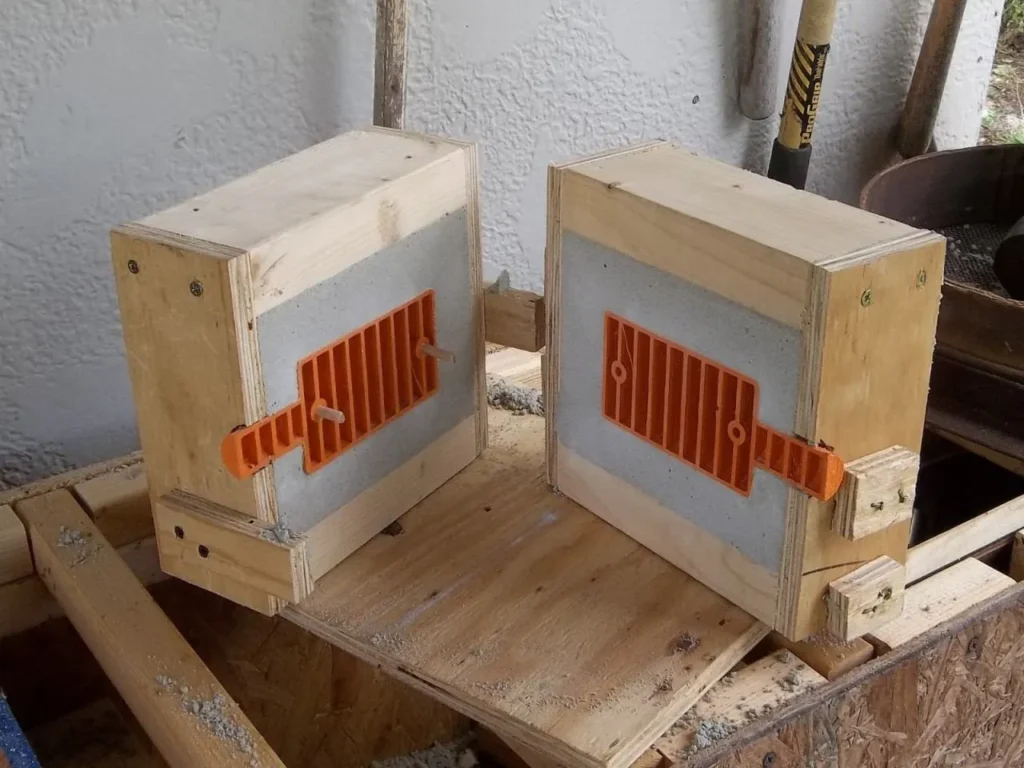
When to Use 3D Printing
3D printing is ideal for:
Rapid Prototyping
Companies can test product concepts quickly before investing in tooling.
Custom Manufacturing
Suitable for:
- Medical devices
- Personalized products
- Special industrial parts
Low-Volume Production
When production quantities are small, avoiding mold costs can provide major advantages.
When to Use Injection Molding
Injection molding is ideal for:
Mass Production
Industries producing thousands or millions of parts benefit from injection molding.
Automotive Manufacturing
Automotive companies use injection molding for:
- Interior components
- Exterior parts
- Engine components
- Plastic housings
Consumer Products
Common injection molded products include:
- Electronics cases
- Toys
- Packaging containers
- Household products
3D Printing vs Injection Molding in Foam Mold Manufacturing
In industries such as EPS mold, EPP mold, and foam packaging, both technologies can play different roles.
3D printing can be used for:
- Prototype foam product testing
- Design verification
- Small customized samples
However, professional foam production still relies heavily on precision molds.
For EPS and EPP foam molding, manufacturers require:
- High accuracy
- Excellent steam flow design
- Long mold lifespan
- Stable production performance
Therefore, CNC-machined aluminum molds remain the preferred solution for large-scale foam manufacturing.
Companies producing automotive foam parts, protective packaging, and industrial foam products usually choose professional EPP molds and EPS molds for consistent production quality.
How to Choose Between 3D Printing and Injection Molding?
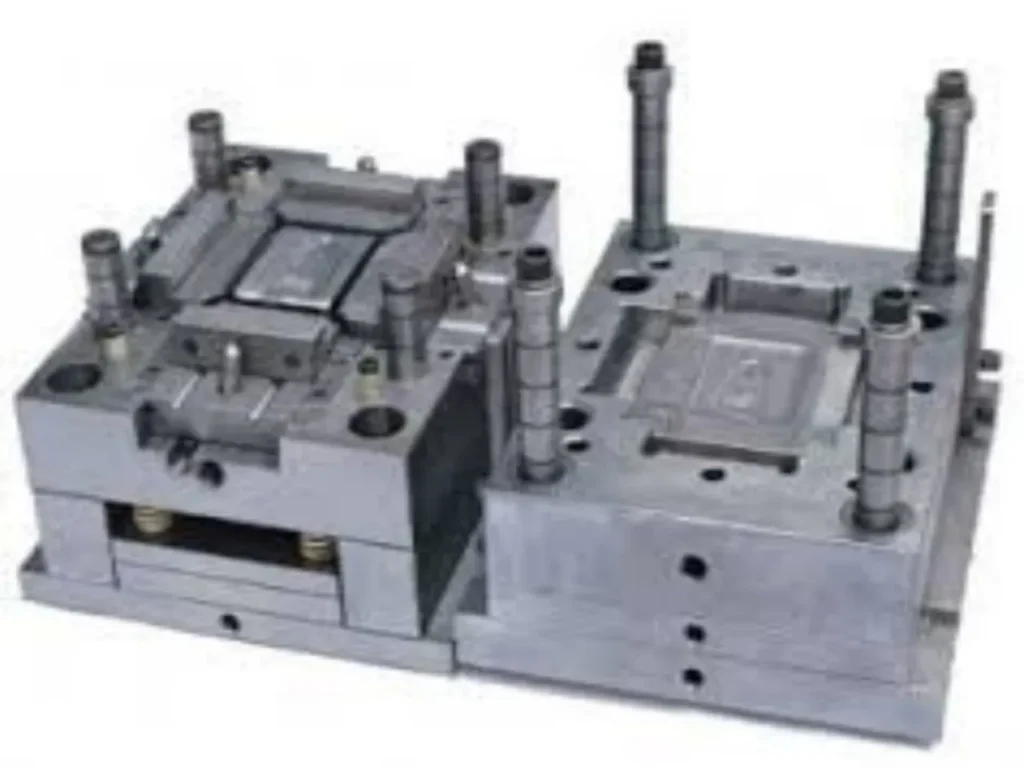
Before selecting a manufacturing method, consider:
Production Quantity
- Less than 1000 units → 3D printing may be suitable
- Thousands or millions → Injection molding is usually better
Product Requirements
Choose injection molding when you need:
- High strength
- Professional appearance
- Consistent quality
Choose 3D printing when you need:
- Fast prototypes
- Design flexibility
- Custom products
Budget
For early-stage development:
3D printing reduces upfront costs.
For long-term production:
Injection molding provides better economic benefits.
Conclusion: 3D Printing and Injection Molding Serve Different Manufacturing Needs
The debate between 3D printing vs injection molding is not about which technology is better. Instead, each manufacturing method has unique advantages.
Understanding the differences between these technologies allows manufacturers to select the right process, reduce costs, improve product quality, and accelerate production.
If you have any questions regarding EPS/EPP/ETPU molds, please feel free to contact us at Transfoam; we will provide you with the perfect solution.