EPS decorative concrete combines Expanded Polystyrene (EPS) foam technology with decorative concrete finishes to create lightweight architectural elements that replicate the appearance of traditional stone, concrete, brick, or other textured surfaces.
Unlike conventional concrete structures, EPS decorative concrete products use EPS foam as a lightweight core material, often reinforced with coatings such as cement-based layers, fiberglass mesh, or polymer-modified finishes.
This combination provides excellent design flexibility while significantly reducing weight.
What Is EPS Decorative Concrete?
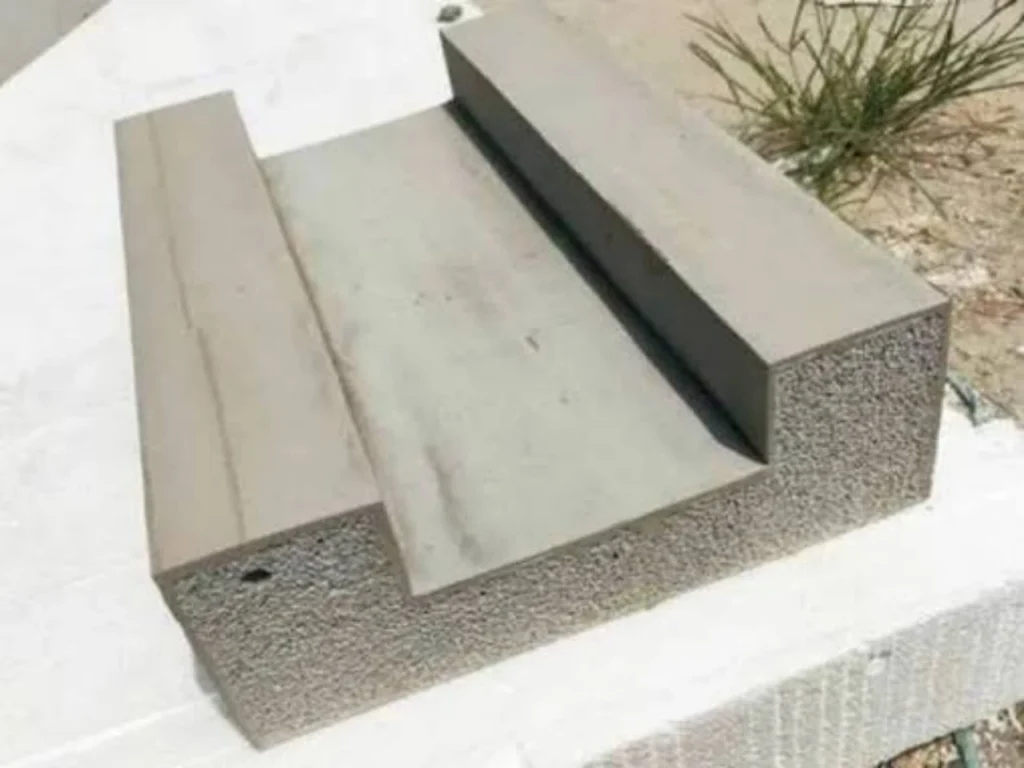
EPS decorative concrete is a lightweight architectural decoration material made by combining EPS foam cores with durable surface coatings to create decorative building components.
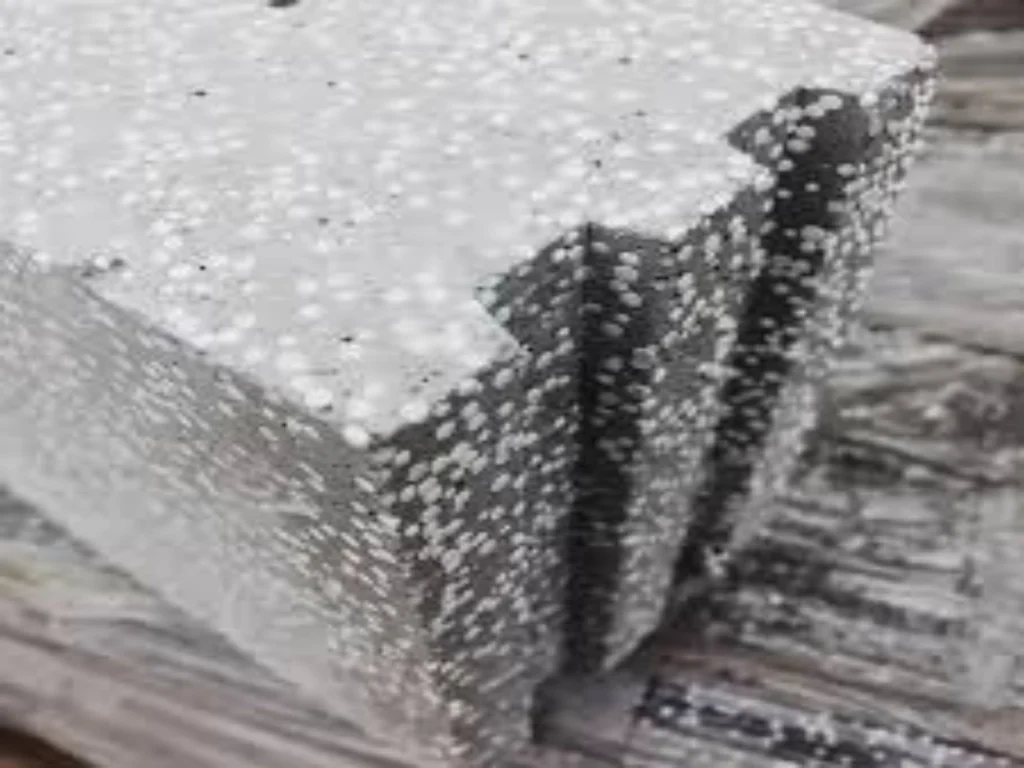
The main material, Expanded Polystyrene (EPS), is a lightweight foam material created by expanding small polystyrene beads through a steam heating process.
Although EPS itself is lightweight, it can be transformed into strong decorative architectural products when combined with protective coatings.
A typical EPS decorative concrete product consists of:
1. EPS Foam Core
The EPS core provides:
- Lightweight structure
- Shape flexibility
- Thermal insulation
- Easy processing
EPS foam can be CNC cut or molded into almost any design.
2. Reinforcement Layer
A reinforcement layer improves strength and durability.
Common materials include:
- Fiberglass mesh
- Cement coating
- Polymer-modified mortar
- Reinforced plaster
This layer protects the EPS core and improves resistance to weather conditions.
3. Decorative Surface Finish
The final surface creates the desired appearance.
Finishes can imitate:
- Concrete
- Natural stone
- Brick
- Wood
- Carved architectural details
This allows designers to achieve premium architectural effects without using heavy materials.
How Is EPS Decorative Concrete Made?
The production of EPS decorative concrete involves several important steps.
Step 1: Design Development
The process begins with architectural drawings or 3D models.
Designers create:
- Product dimensions
- Decorative patterns
- Surface textures
- Installation structures
Modern CAD software allows manufacturers to create highly detailed designs.
Step 2: EPS Foam Molding or Cutting
The EPS material is shaped according to the design.
Manufacturing methods include:
CNC EPS Cutting
Computer-controlled cutting machines create precise shapes.
Advantages:
- High accuracy
- Fast customization
- Suitable for large decorative components
EPS Mold Manufacturing
For high-volume production, customized EPS molds are used.
EPS molds provide:
- Consistent product quality
- Faster production cycles
- Lower unit costs
Professional EPS mold manufacturers design molds according to specific architectural requirements.
Step 3: Surface Reinforcement
After shaping the EPS core, manufacturers apply reinforcement materials.
The coating process improves:
- Impact resistance
- Surface hardness
- Weather durability
Step 4: Decorative Finishing
The final appearance is created through:
- Texturing
- Painting
- Stone effects
- Concrete finishes
Advanced techniques allow EPS decorative concrete to closely resemble traditional materials.
Why Is EPS Used for Decorative Concrete?
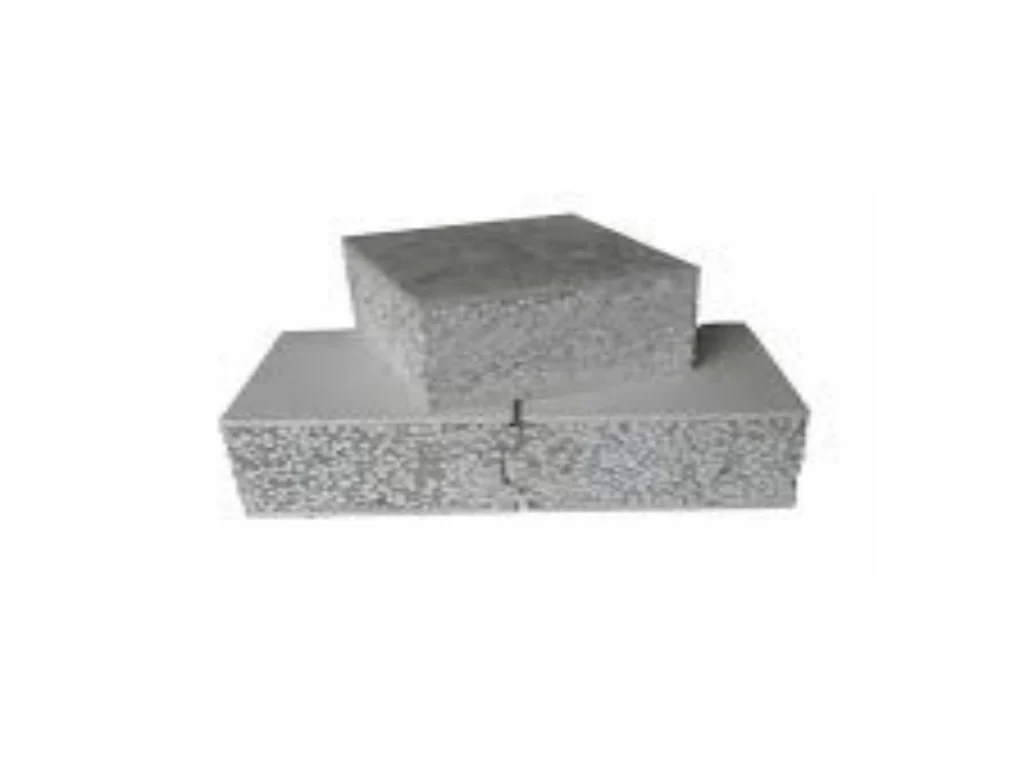
EPS has several unique characteristics that make it suitable for architectural decoration.
1. Lightweight Alternative to Traditional Concrete
One of the biggest advantages of EPS decorative concrete is weight reduction.
Traditional concrete elements can be extremely heavy, making installation difficult and expensive.
EPS decorative products are significantly lighter.
Benefits include:
- Easier transportation
- Faster installation
- Reduced structural load
- Lower labor costs
For large architectural decorations, weight reduction is a major advantage.
2. Excellent Design Flexibility
Traditional concrete requires complex molds and heavy production processes.
EPS foam is much easier to shape.
Manufacturers can create:
- Curved surfaces
- Complex patterns
- Large decorative structures
- Custom architectural details
This makes EPS decorative concrete ideal for creative architectural designs.
3. Cost-Effective Architectural Decoration
Natural stone and traditional concrete decorations can be expensive because of:
- Material costs
- Transportation expenses
- Installation difficulty
EPS decorative concrete provides a more affordable alternative.
It reduces costs through:
- Lower material weight
- Faster installation
- Simplified manufacturing
4. Improved Energy Efficiency
EPS is widely known as an insulation material.
Its closed-cell foam structure provides thermal resistance.
EPS decorative concrete can help improve:
- Building insulation
- Energy efficiency
- Indoor comfort
When used as exterior decorative insulation systems, EPS products can contribute to reduced heating and cooling costs.
5. Easy Installation
Because EPS decorative elements are lightweight, installation is simpler compared with traditional concrete products.
Installation advantages include:
- Less heavy equipment required
- Faster construction time
- Reduced labor requirements
This makes EPS decorative concrete suitable for both new construction and renovation projects.
EPS Decorative Concrete vs Traditional Concrete Decoration
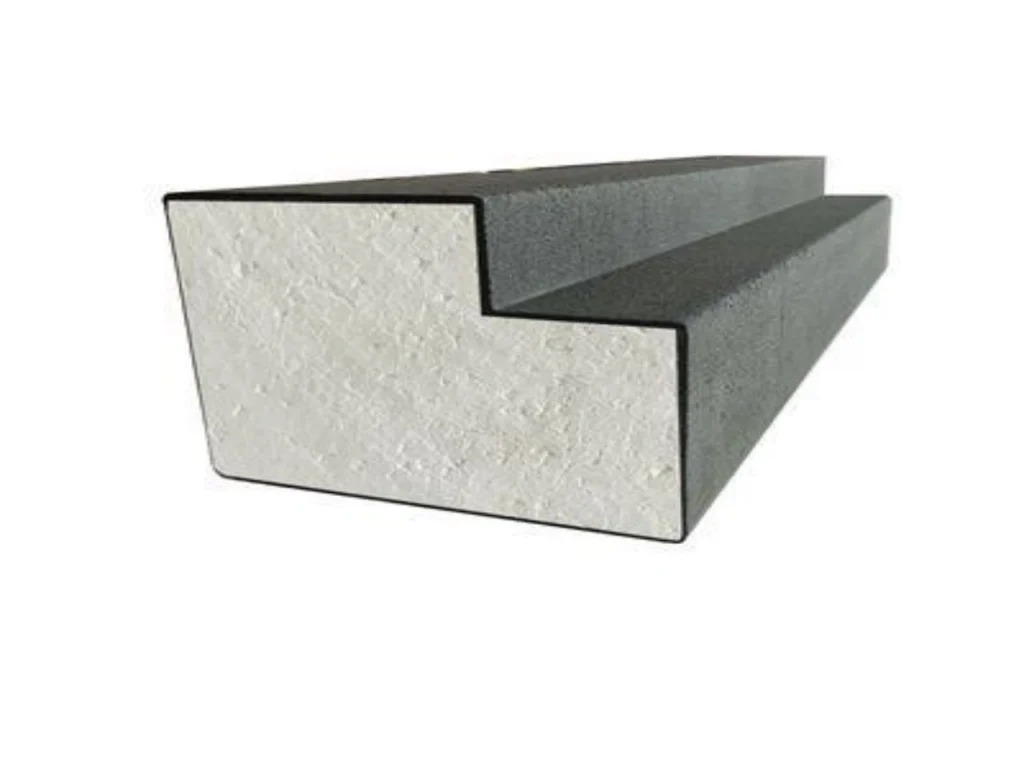
Understanding the difference between EPS decorative concrete and traditional concrete helps explain why many designers are choosing EPS solutions.
| Feature | EPS Decorative Concrete | Traditional Concrete |
|---|---|---|
| Weight | Lightweight | Heavy |
| Installation | Easy | More difficult |
| Design flexibility | Very high | Limited |
| Transportation | Low cost | Expensive |
| Custom shapes | Easy | Complex |
| Structural strength | Decorative use | Structural use |
| Production speed | Fast | Slower |
Traditional concrete remains essential for structural applications, but EPS decorative concrete offers advantages for architectural appearance and design flexibility.
Common Applications of EPS Decorative Concrete
EPS decorative concrete is widely used in various architectural projects.
1. Exterior Wall Decoration
EPS decorative panels and architectural elements can transform ordinary building exteriors.
Applications include:
- Decorative wall panels
- Exterior trims
- Facade elements
- Architectural borders
They create premium appearances while reducing construction complexity.
2. Architectural Moldings
EPS is commonly used for decorative architectural details.
Examples include:
- Cornices
- Window frames
- Door surrounds
- Wall trims
- Ceiling decorations
These elements add character and visual appeal to buildings.
3. Decorative Columns
EPS decorative columns are popular in:
- Hotels
- Villas
- Commercial buildings
- Event spaces
They provide the appearance of stone or concrete columns without the weight.
4. Landscape Decoration
Outdoor applications include:
- Garden sculptures
- Decorative rocks
- Landscape walls
- Outdoor structures
EPS allows designers to create realistic natural textures.
5. Interior Decoration
EPS decorative concrete products are also used indoors.
Examples:
- Feature walls
- Decorative panels
- Ceiling designs
- 3D wall surfaces
They help create unique interior environments.
The Role of EPS Molds in Decorative Concrete Manufacturing
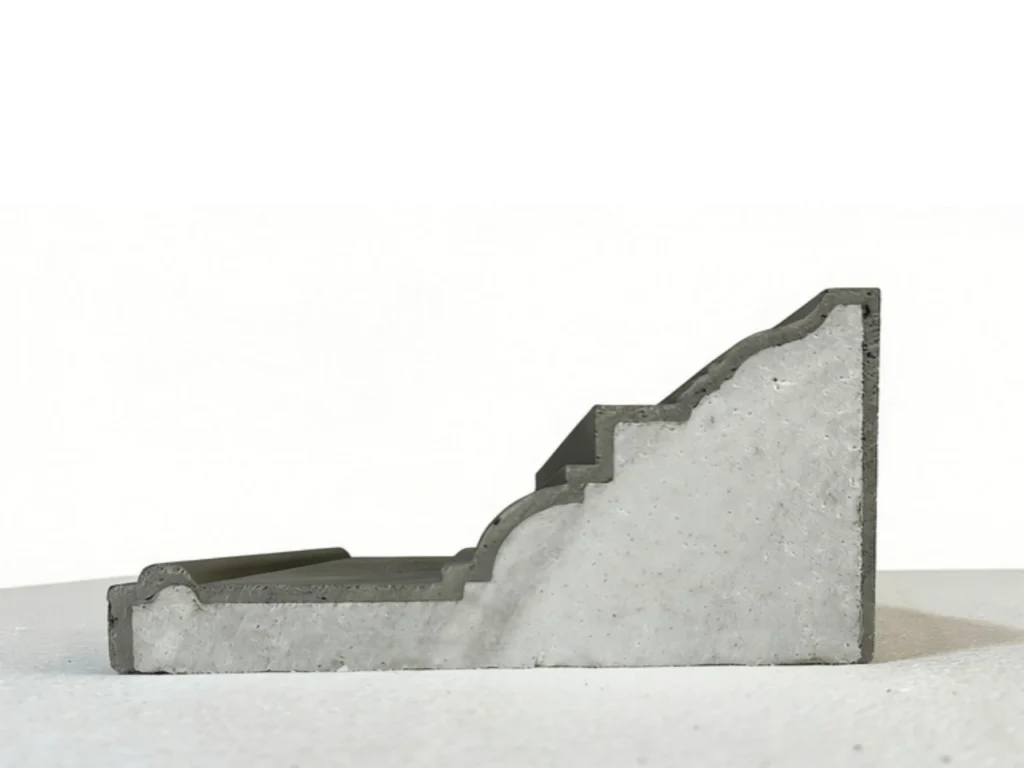
High-quality EPS molds play a critical role in producing decorative concrete products.
A professional EPS mold ensures:
Accurate Product Dimensions
Precision molds create consistent shapes and reduce production errors.
Detailed Surface Patterns
Advanced mold technology allows manufacturers to produce:
- Stone textures
- Brick patterns
- Custom designs
Higher Production Efficiency
For large projects, EPS molds enable manufacturers to produce large quantities quickly.
Modern EPS mold manufacturing uses:
- CNC machining
- 3D modeling
- Precision aluminum molds
- Automated production systems
These technologies improve product quality and reduce manufacturing costs.
EPS Decorative Concrete and Sustainable Construction
Sustainability is becoming increasingly important in modern construction.
EPS decorative concrete supports sustainable building goals through:
Reduced Material Consumption
Lightweight EPS products require fewer resources compared with heavy concrete alternatives.
Lower Transportation Emissions
Because EPS products are lighter, transportation requires less energy.
Improved Building Efficiency
EPS insulation properties can contribute to better building energy performance.
Limitations of EPS Decorative Concrete
Although EPS decorative concrete has many advantages, it is important to understand its limitations.
Not a Structural Material
EPS decorative concrete is mainly designed for:
- Decoration
- Architectural enhancement
- Insulation improvement
It should not replace structural concrete components.
Requires Proper Coating Protection
The EPS core needs protective coatings to ensure:
- Weather resistance
- Impact protection
- Long service life
Professional Installation Is Recommended
Correct installation is important to ensure durability and appearance
How to Choose a Reliable EPS Decorative Concrete Manufacturer
When selecting an EPS decorative concrete supplier, consider:
Manufacturing Experience
A professional manufacturer should have experience with:
- EPS molds
- Foam molding technology
- Architectural decoration products
Design Capability
Look for suppliers that can provide:
- 3D design support
- Custom solutions
- Engineering optimization
Production Technology
Advanced equipment such as CNC machines and precision EPS molds ensures better quality.
Quality Control
Reliable manufacturers should inspect:
- Product dimensions
- Surface quality
- Coating performance
- Structural integrity
Conclusion: EPS Decorative Concrete Is Changing Modern Architectural Design
EPS decorative concrete has become an innovative solution for modern construction because it combines beauty, flexibility, lightweight performance, and cost efficiency.
The major advantages of EPS decorative concrete include:
- Lightweight construction
- Flexible design options
- Easy installation
- Reduced costs
- Energy efficiency
- Custom architectural possibilities
As demand for sustainable and creative building solutions continues increasing, EPS decorative concrete will play an increasingly important role in architectural decoration.
If you have any questions regarding EPS/EPP/ETPU molds, please feel free to contact us at Transfoam; we will provide you with the perfect solution.