
Unlike traditional automotive components, EV batteries are highly sensitive products.
They require reliable protection against impact, vibration, moisture, temperature changes, and mechanical stress.
A small amount of damage during transportation can result in expensive losses, safety risks, or performance issues.
The demand for EPP battery mold technology is growing rapidly because it enables manufacturers to create customized battery packaging with excellent impact resistance, dimensional accuracy, and long service life.
What Is EPP Battery Mold?
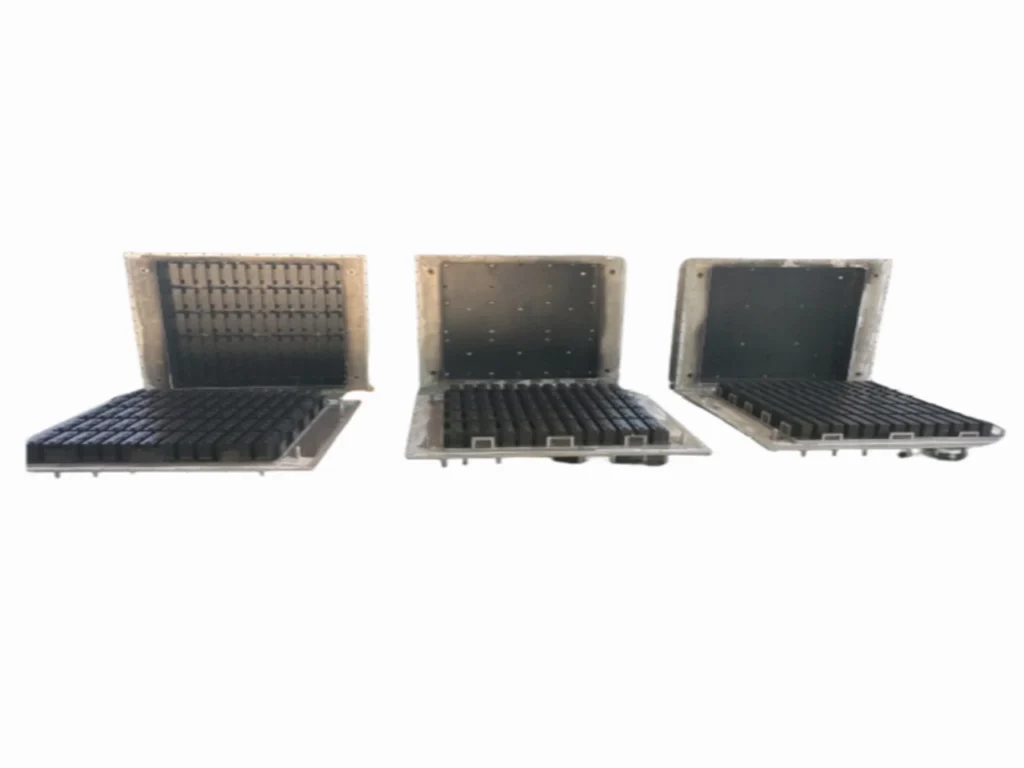
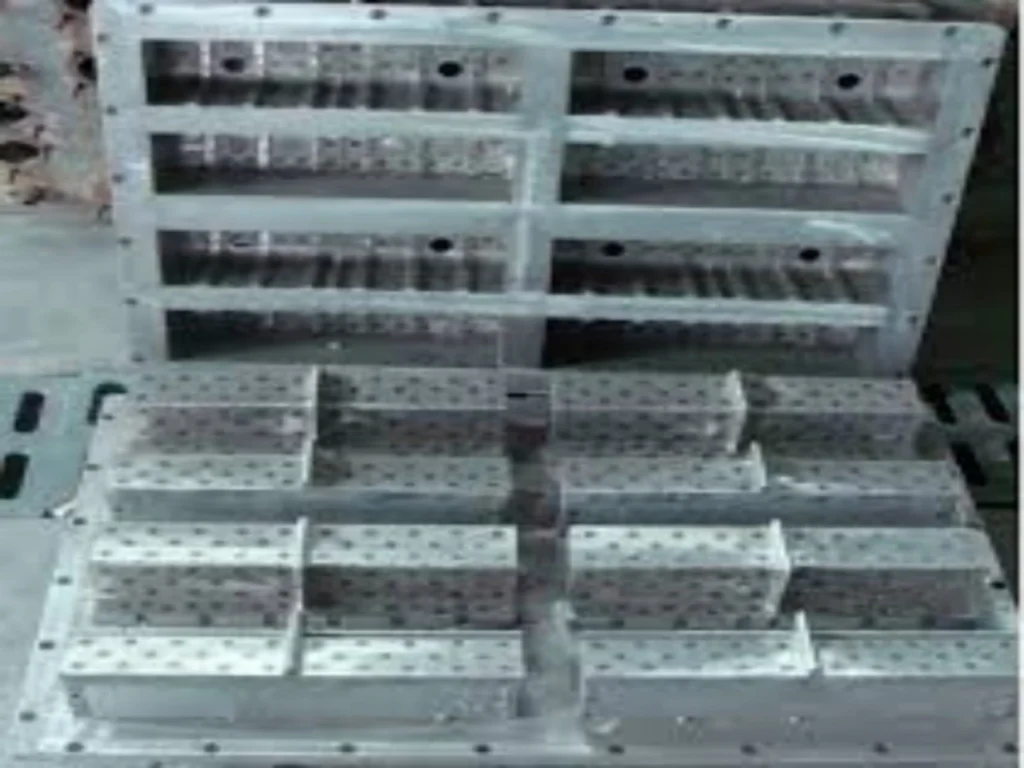
An EPP battery mold is a specialized mold used to manufacture protective packaging components made from Expanded Polypropylene (EPP) foam.
These molded foam parts are designed to securely hold and protect electric vehicle batteries or battery modules during transportation, handling, and storage.
EPP stands for Expanded Polypropylene, a lightweight closed-cell foam material known for its excellent:
- Impact resistance
- Energy absorption
- Durability
- Heat insulation
- Chemical resistance
- Reusability
During production, polypropylene foam particles are placed inside an EPP mold.
Steam is then introduced into the mold cavity to expand and fuse the particles together, creating a molded foam component with the required shape and density.
The final EPP molded product can be customized to fit different battery designs, including:
- EV battery packs
- Battery modules
- Battery trays
- Battery cells
- Energy storage components
Because EV battery structures vary significantly between manufacturers, custom EPP battery molds are necessary to achieve accurate protection and positioning.
Unlike conventional packaging materials such as cardboard, EPS foam, or PE foam, EPP offers superior durability and recovery performance. This makes it an ideal material for high-value automotive applications.
An EPP battery mold typically includes:
- Precision-designed cavities matching battery dimensions
- Steam channels for uniform heating
- Vacuum systems for faster cooling
- Advanced aluminum mold structures
- High dimensional accuracy
- Automated production compatibility
Because EV batteries have different shapes, sizes, and designs depending on the vehicle manufacturer, customized EPP molds are essential for achieving perfect protection.
How Does an EPP Battery Mold Work?
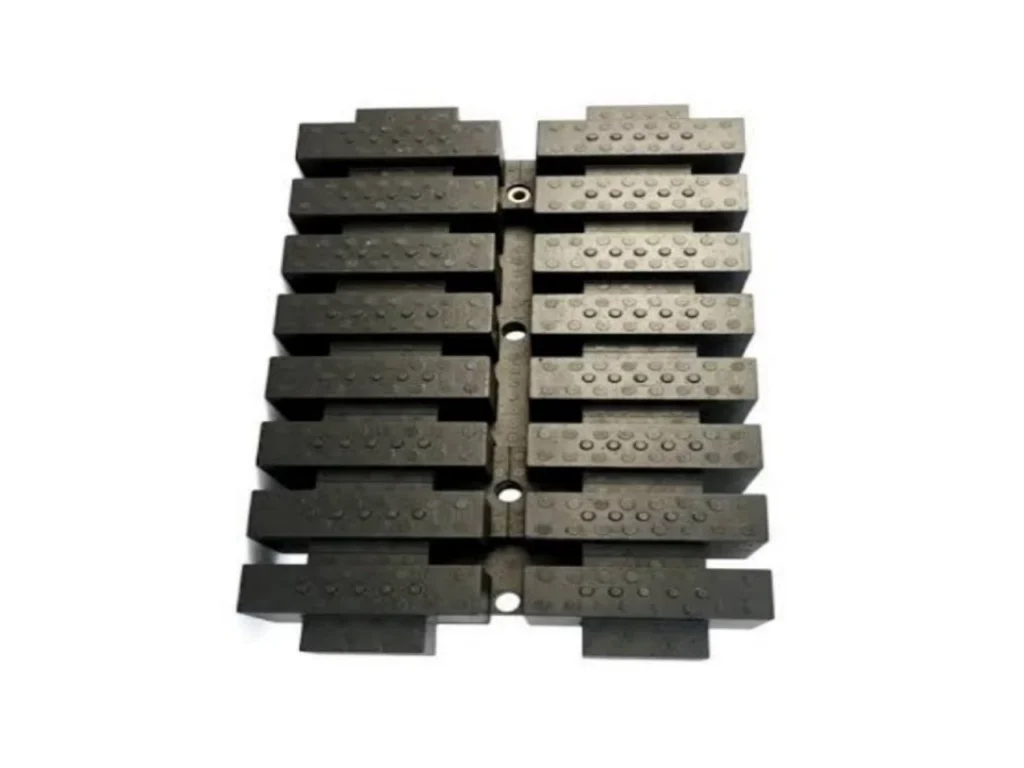
The EPP molding process involves several important steps.
1. EPP Material Preparation
EPP production starts with polypropylene beads containing expansion agents.
These lightweight beads are prepared according to:
- Required density
- Strength requirements
- Product specifications
Different applications may require different EPP densities.
For EV battery packaging, manufacturers usually select materials that provide high impact absorption and structural stability.
2. Filling the Mold Cavity
The prepared EPP particles are injected into the mold cavity.
The mold design determines:
- Product shape
- Thickness
- Internal structure
- Mounting positions
A high-quality EPP battery mold must provide precise filling performance to ensure uniform foam density.
3. Steam Heating and Particle Fusion
Steam is introduced into the mold through specially designed channels.
The heat causes the EPP particles to expand and fuse together.
The quality of the mold directly affects:
- Steam distribution
- Product surface quality
- Foam bonding strength
- Dimensional accuracy
Advanced EPP molds use optimized steam systems to achieve consistent production results.
4. Cooling and Demolding
After molding, the product must be cooled before removal.
Modern EPP molds often include:
- Vacuum systems
- Cooling channels
- Optimized ventilation structures
These features help reduce cycle time and improve production efficiency.
Why EPP Foam Is Ideal for EV Battery Protection Packaging
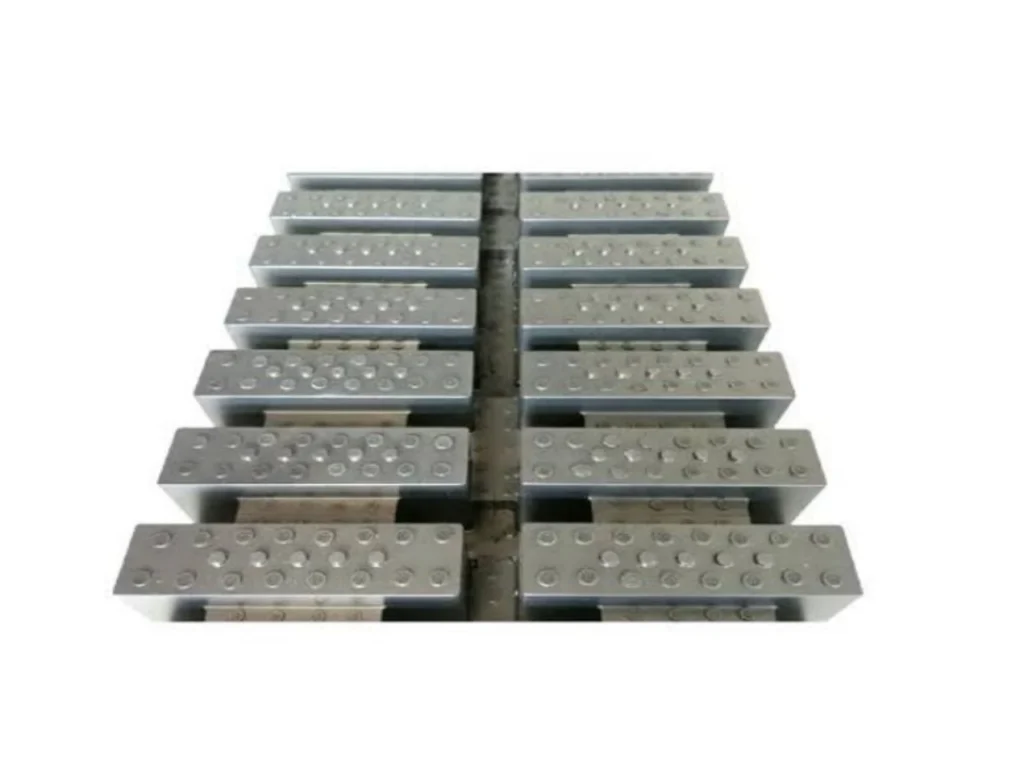
1. Excellent Impact Resistance
One of the biggest advantages of EPP foam is its outstanding impact absorption capability.
During transportation, EV batteries may experience:
- Road vibration
- Mechanical shocks
- Handling impacts
- Loading and unloading pressure
EPP foam can absorb and distribute impact energy, reducing the possibility of battery damage.
The unique cellular structure of EPP allows it to compress under force and recover its original shape afterward.
This property makes EPP packaging especially valuable for expensive lithium battery modules.
Compared with disposable packaging materials, EPP protective packaging can maintain performance after repeated use.
2. Lightweight Design Reduces Transportation Costs
Weight reduction is a major priority in the automotive industry.
Although EV batteries themselves are heavy, manufacturers need packaging solutions that provide maximum protection without adding unnecessary weight.
EPP foam has a very low density while maintaining high strength. By using EPP battery molds, companies can manufacture lightweight packaging components that:
- Reduce shipping weight
- Lower logistics costs
- Improve warehouse efficiency
- Support sustainable transportation goals
For global EV supply chains, lightweight battery packaging provides significant economic benefits.
3. Customized Protection for Different Battery Designs
Every electric vehicle manufacturer has different battery architectures.
Battery packs may vary in:
- Size
- Shape
- Module arrangement
- Connector location
- Cooling structure
- Protection requirements
Standard packaging solutions cannot always provide sufficient protection.
This is why custom EPP battery molds are becoming essential.
Using advanced CAD design and CNC machining technology, EPP mold manufacturers can create packaging solutions that perfectly match each battery design.
Customized EPP molds provide:
- Accurate positioning
- Reduced movement inside packaging
- Better shock protection
- Improved assembly efficiency
For automotive OEMs and battery suppliers, customization is one of the biggest advantages of EPP molding technology.
4. Better Thermal Protection Performance
Lithium-ion batteries are sensitive to temperature conditions.
Extreme heat or cold can affect battery performance and safety.
EPP foam naturally provides thermal insulation properties because its cellular structure contains trapped air. This helps reduce temperature fluctuations during transportation.
For EV battery logistics, EPP packaging can help maintain more stable environmental conditions.
This is particularly important for:
- Battery manufacturing plants
- International transportation
- Long-distance shipping
- Battery storage facilities
Although EPP is not a replacement for active thermal management systems, it provides an additional protective layer.
5. Reusable and Environmentally Friendly Packaging
Sustainability has become a major concern for the automotive industry.
Traditional packaging materials often generate large amounts of waste because they are designed for single use.
EPP packaging offers a more sustainable alternative.
Advantages include:
- Multiple reuse cycles
- Reduced packaging waste
- Easy recycling
- Longer service life
Many automotive companies are moving toward reusable packaging systems to reduce their environmental impact.
Compared with disposable foam packaging, EPP battery protection solutions provide better long-term value.
The Role of Precision EPP Battery Mold Manufacturing
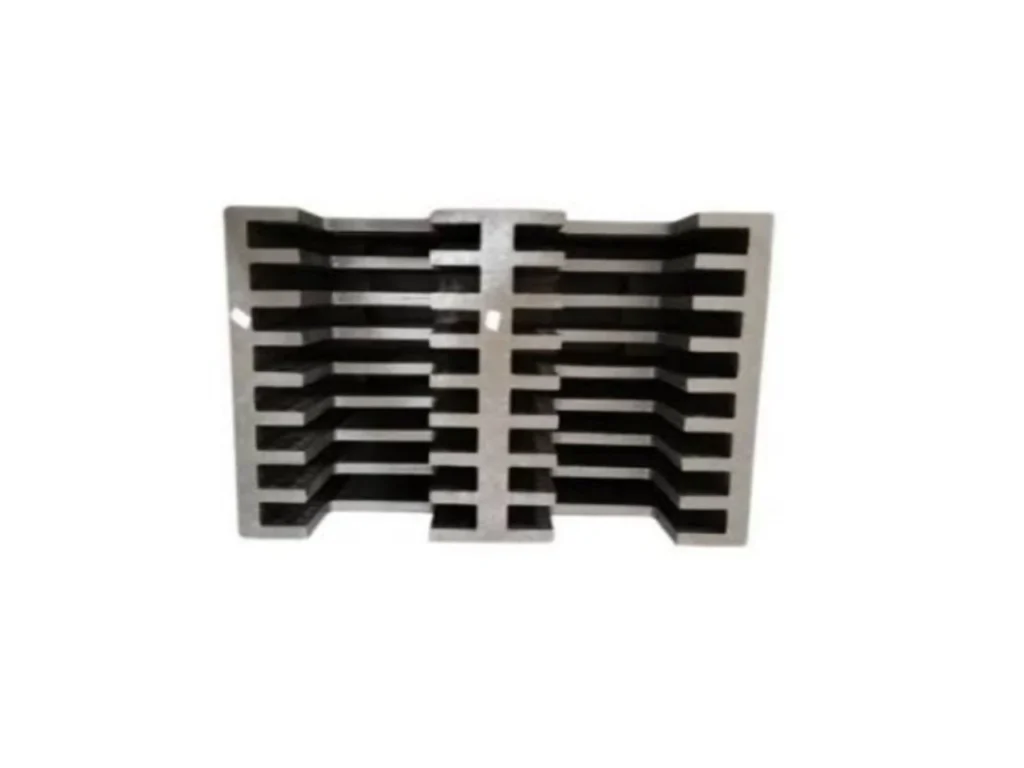
The performance of EPP packaging depends heavily on mold quality.
A high-quality EPP battery mold ensures:
Accurate Dimensions
EV batteries require extremely precise positioning. Even small dimensional errors can cause:
- Packaging instability
- Increased vibration
- Assembly difficulties
Precision machining ensures that every molded foam component matches the design specifications.
Uniform Foam Density
During EPP molding, steam distribution plays an important role.
Poor mold design can lead to:
- Uneven foam expansion
- Weak areas
- Surface defects
- Reduced protection performance
Advanced EPP molds are designed with optimized steam channels and vacuum systems to achieve consistent results.
Faster Production Efficiency
The automotive industry requires large production volumes.
Modern EPP battery molds incorporate:
- Optimized cooling systems
- Improved venting design
- Automated production compatibility
These features help manufacturers shorten cycle times and increase productivity.
How EPP Battery Mold Supports the EV Supply Chain
The EV industry involves a complex global supply chain, including:
- Battery cell manufacturers
- Battery module suppliers
- Automotive assembly plants
- Logistics providers
- Recycling companies
At every stage, battery protection is critical.
EPP battery packaging helps improve efficiency throughout the supply chain.
During Battery Manufacturing
Battery modules require protection before vehicle assembly.
EPP packaging prevents:
- Surface damage
- Connector damage
- Mechanical deformation
During Transportation
Battery components often travel thousands of kilometers between suppliers and factories.
EPP packaging provides reliable protection against:
- Vibration
- Impact
- Compression
During Storage
Manufacturers may need to store battery modules before final assembly.
Reusable EPP packaging helps maintain product quality during storage periods.
EPP Battery Mold vs Traditional Battery Packaging Materials
EPP Mold vs EPS Mold
EPS (Expanded Polystyrene) has traditionally been used for many packaging applications.
However, EPP provides several advantages:
| Feature | EPP | EPS |
|---|---|---|
| Impact resistance | Excellent | Moderate |
| Reusable | Yes | Limited |
| Shape recovery | Excellent | Poor |
| Durability | High | Lower |
| Automotive applications | Widely used | Limited |
While EPS remains useful for disposable packaging, EPP is better suited for high-value EV battery protection.
EPP Mold vs Cardboard Packaging
Cardboard packaging is inexpensive but has limitations:
- Poor moisture resistance
- Limited impact protection
- Single-use design
EPP packaging provides significantly better protection for expensive battery systems.
How to Choose a Reliable EPP Battery Mold Manufacturer
Selecting the right mold supplier is critical for EV battery packaging projects.
Important factors include:
Engineering Capability
A professional manufacturer should provide:
- 3D mold design
- Product optimization
- Mold flow analysis
- Customized solutions
Manufacturing Experience
Experience with automotive EPP applications is essential.
A qualified supplier should understand:
- Battery protection requirements
- Automotive quality standards
- High-volume production needs
Advanced Equipment
High-quality EPP molds require:
- CNC machining centers
- Precision measurement equipment
- Advanced mold testing systems
After-Sales Support
Long-term technical support helps customers maintain stable production performance.
Conclusion
As EV manufacturers continue expanding production worldwide, the importance of reliable battery protection packaging will continue to grow.
For companies involved in electric vehicle manufacturing, battery logistics, and automotive packaging, investing in advanced EPP battery mold technology is becoming an essential step toward safer, more efficient, and more sustainable EV supply chains.
If you have any questions regarding EPS/EPP/ETPU molds, please feel free to contact us at Transfoam; we will provide you with the perfect solution.