
In today’s competitive marketplace, packaging is far more than a protective shell—it is a strategic asset that influences brand perception, logistics costs, and environmental footprint.
When companies decide how to package high‑value products, they often face a fundamental choice:
precision‑engineered molded foam packaging or traditional materials such as corrugated cardboard, wood, and generic plastics.
Molded foam packaging—manufactured by expanding foam materials (EPS, EPE, EPP, or PU) into custom‑shaped inserts—differs from traditional packaging not only in appearance but in its protection mechanism, material properties, and environmental impact.
What Is Molded Foam Packaging?
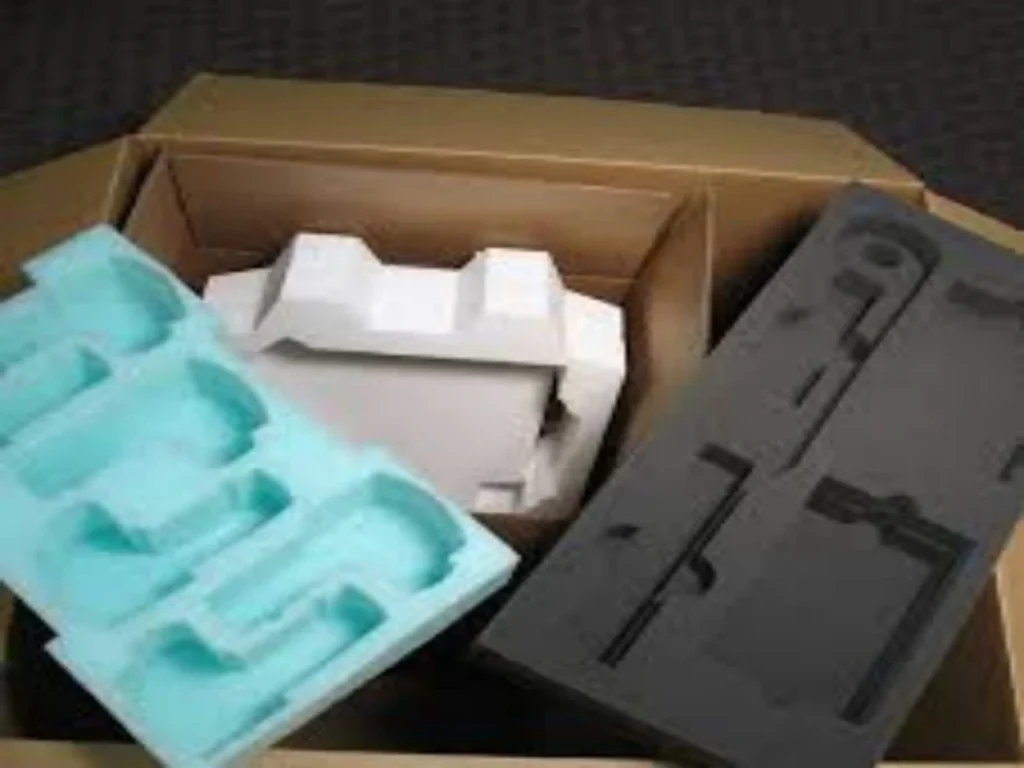
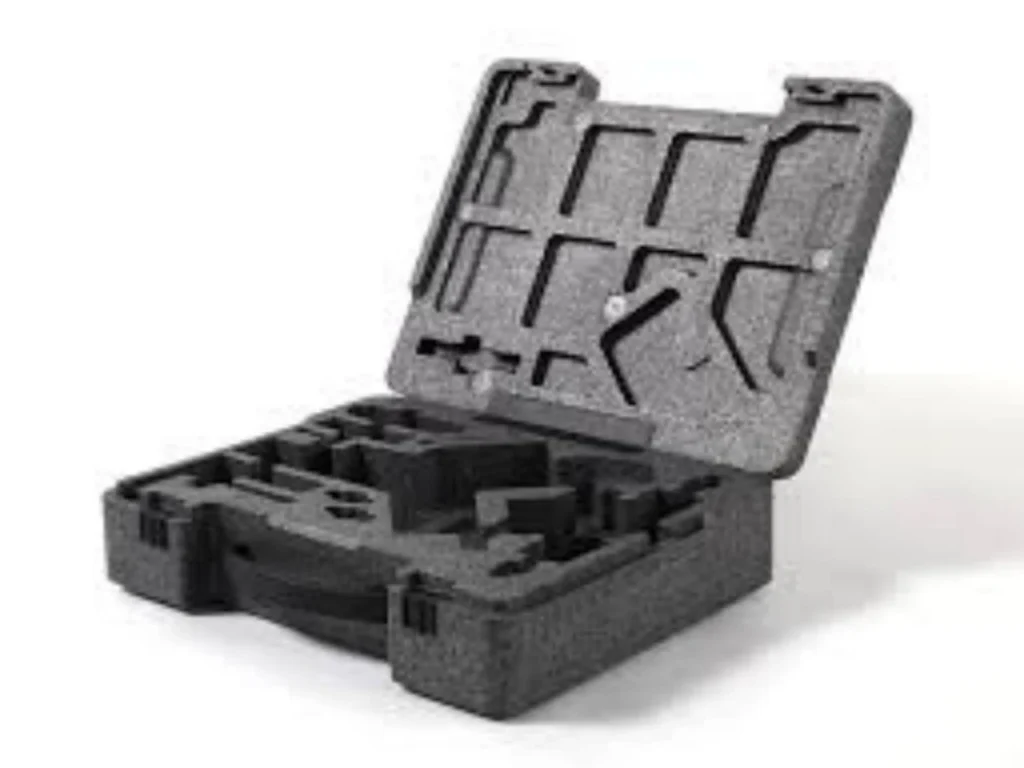
In the simplest terms, molded foam packaging is a custom-shaped, protective packaging solution created by molding expanded polymer materials into precise geometries that intimately conform to the contours of a specific product.
Unlike generic void-fill materials like loose peanuts or bubble wrap, molded foam packaging is “tailor-made.” It is engineered to cradle a product perfectly, eliminating movement, absorbing shock, and distributing impact forces across the entire surface of the item. This transforms simple foam into a highly engineered protective structure.
| Material | Full Name | Key Properties & Characteristics | Typical Applications |
|---|---|---|---|
| EPS | Expanded Polystyrene | The industry workhorse. Rigid, brittle, and cost-effective. Composed of ~98% air, it offers excellent compressive strength and superior thermal insulation. It is lightweight but lacks resilience (does not bounce back well after crushing). | Electronics packaging (TVs, computers), insulation panels, disposable food containers (coolers). |
| EPE | Expanded Polyethylene | Known as “Pearl Foam.” Soft, flexible, and highly resilient. It has a smooth, non-abrasive surface that will not scratch delicate finishes. Offers excellent moisture, chemical, and corrosion resistance. | Medical devices, precision instruments, export-grade consumer goods, and protective sheets. |
| EPP | Expanded Polypropylene | The premium choice. Exceptionally tough, fatigue-resistant, and highly elastic. It can withstand multiple impacts without permanent deformation (excellent memory recovery). It is also heat-resistant, chemical-resistant, and fully recyclable. | Automotive parts (bumpers, headliners), reusable logistics dunnage, high-end electronics cases. |
| PU | Polyurethane Foam | Usually an open-cell structure. Highly elastic with superior shock absorption. It can be formulated in a wide range of densities, from soft cushioning to rigid structural foam. Often used for fragile, odd-shaped items. | Furniture, bedding, delicate medical equipment, and custom “foam-in-place” packaging. |
| BioFoam | Biodegradable Foams | Made from renewable organic materials (e.g., plant starches, PLA, or agricultural waste). Compostable and biodegradable while still providing high impact resistance and shape retention. | Environmentally conscious brands, organic food packaging, and single-use protective inserts. |
The defining advantage of molded foam is customization—the mold creates a “glove‑fit” that secures the product with minimal material while maximizing protection.
Major Application Industries
The usage of molded foam packaging spans across almost every heavy and light industry:
- Electronics & Semiconductors: Anti-static EPS and EPE for shipping servers, monitors, and sensitive circuit boards.
- Automotive: High-performance EPP for shipping delicate instrument panels, painted body parts, and battery components in returnable logistics racks.
- Medical & Pharmaceutical: Clean, non-abrasive EPE and PU for diagnostic equipment, vials, and biological shipping coolers that maintain strict temperature ranges.
- Food & Beverage: Insulated EPS boxes for seafood, meal-kits, and pharmaceutical cold-chain logistics.
- Aerospace & Defense: High-density custom foam to cradle mission-critical, multi-million-dollar components during transport.
What Is Traditional Packaging?
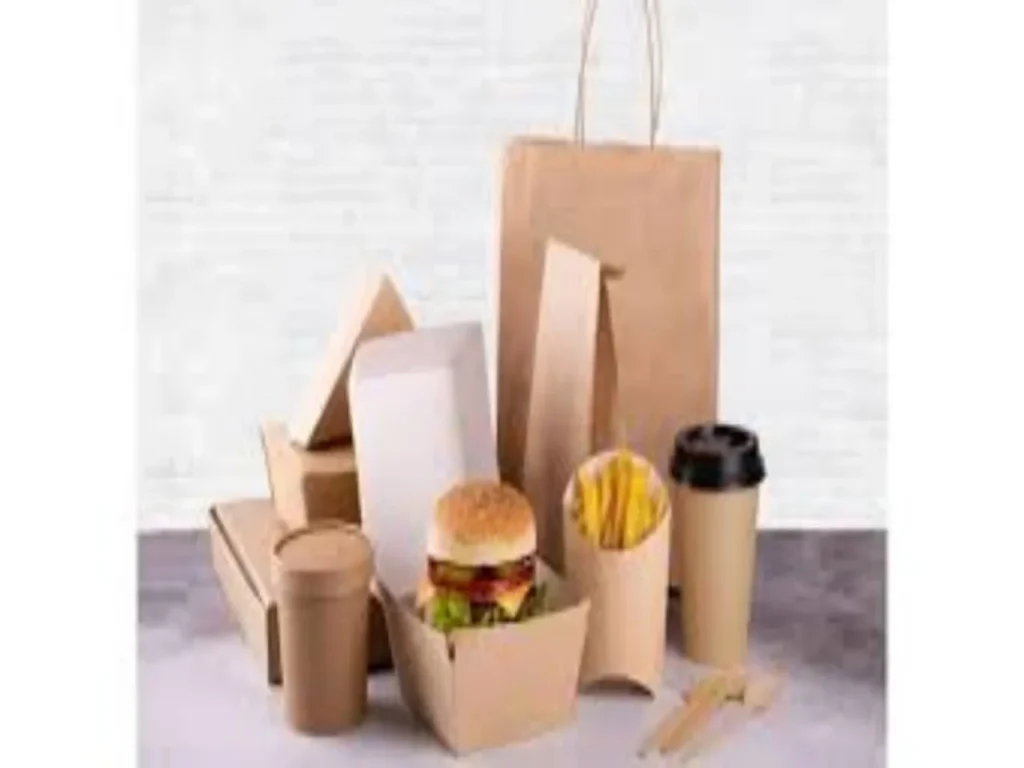
Traditional packaging refers to the established, high-volume material formats that have dominated retail and industrial supply chains for decades—thick glass jars, aluminum cans, multilayered paperboard cartons, wooden crates, and rigid petroleum-derived plastics.
These formats represent material science solutions optimized over generations for protection, transport efficiency, and consumer recognition.
At its core, traditional packaging encompasses a range of non-synthetic and conventional substances historically utilized for product containment, preservation, and transport, including glass, ceramics, paper, cardboard, wood, and various forms of woven or pressed plant fibers.
Major Categories of Traditional Packaging Materials
1. Paper and Cardboard
Paper and paperboard are made from wood pulp, with additives mixed in to impart specific properties such as strength, printability, and moisture resistance. Key types include:
- Corrugated cardboard: Used for shipping cartons, providing excellent stacking strength and cushioning
- Solid fiberboard: Favored for lighter materials in transport
- Paperboard (boxboard, chipboard): Used for cereal boxes, frozen food cartons, and confectionery packaging
- Specialty papers: Sulphate paper for multi-walled sacks, sulphite paper for grocery bags, greaseproof paper for meat and dairy, and tissue paper for fruit protection
The cardboard carton is the most widely used consumer packaging material because it is lightweight, inexpensive, and easily manufactured, printed, and stored.
Cartons are made in a great variety of shapes and sizes, with nearly half serving as food containers.
2. Glass
Glass containers have been used since the earliest times for domestic storage and local sales.
They are easily mass-produced using high-temperature furnaces and molding machines, and they can also be reused.
Advantages:
- Durable and chemically resistant
- Highly sanitary—ideal for solid and liquid foods, drugs, and cosmetics
- Transparent, allowing consumers to view contents
- Superior barrier properties and perceived purity
Disadvantages:
- Higher weight than most other packaging types, increasing transport costs
- Easily broken, especially during transport over rough roads
- More variable dimensions than metal or plastic containers
- Potential hazards from glass splinters contaminating foods
Despite these drawbacks, glass remains widely used for juices, wines, beers, pickles, and jams, particularly in countries with local glass manufacturing.
However, it is steadily being replaced by plastic containers in many markets.
3. Metal
Metal packaging includes steel (tin-plated) and aluminum, each serving distinct purposes.
Tin-plated steel:
- Used predominantly for food storage, including permanently sealed cans and containers with replaceable lids
- Also holds paints, varnishes, tobacco, medical, and cosmetic products
- Durable and highly resistant to chemical and mechanical damage
Aluminum:
- Lighter and more malleable than steel but interacts more readily with chemical agents
- Used for bottle caps, easy-open tops for cans, and most aerosol containers
- Excellent barrier properties with high recycling value, though primary production requires high energy input
Metal is the material of choice for liquid goods and, in the form of timber cases and crates, for heavy or bulky loads exceeding 220 pounds (100 kg).
4. Wood
Wooden cases and crates are widely used for transporting heavy or bulky goods. Wooden pallets have replaced crates in some instances.
Characteristics:
- Exceptional strength for heavy loads
- Naturally abundant and renewable when sourced from sustainably managed forests
- Established reuse and recycling pathways
5. Conventional Plastics
Recent developments in the plastics industry have introduced polyvinyl chloride (PVC), polypropylene (PP), polyethylene (PE), and polystyrene (PS) as major packaging materials.
Forms:
- Trays, bags, bottles, boxes, and transparent film
- Produced through thermoforming, injection molding, or blow-molding
Advantages:
- Lightweight, reducing transport costs
- Flexible and insulating—especially useful for pressurized packages and containers for foods to be boiled or frozen
- Versatile and durable
Disadvantages:
- High persistence in the environment if not recycled
- Derived primarily from fossil fuels, contributing to greenhouse gas emissions during production
- Many are non-biodegradable and poorly recyclable, breaking down into microplastics
Six Key Dimensions of Comparison
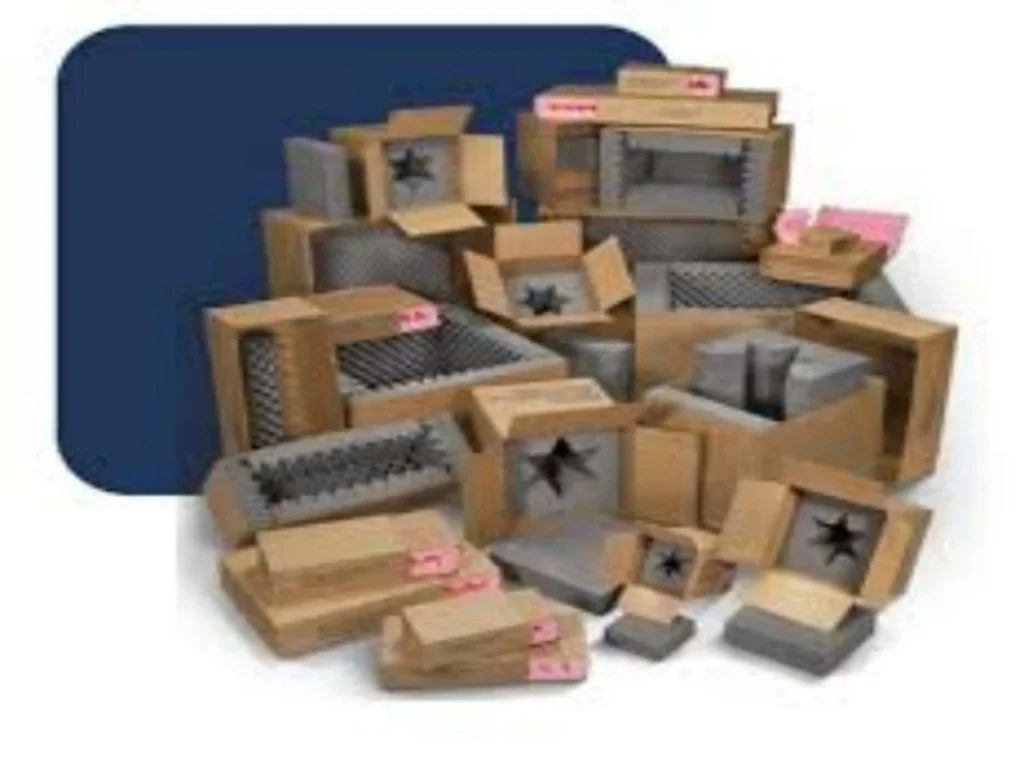
Protective Performance: Customized vs. Generic
Molded foam wins decisively in protection.
Its closed‑cell structure absorbs impact energy through deformation, while the custom fit eliminates movement inside the package.
A notable example: an automotive parts manufacturer switched to molded pulp inserts and reduced transit damage from 2.3 % to 0.15 %.
Molded polyurethane foam provides three‑dimensional protection for automotive, medical, and electronic goods with minimal material usage.
In contrast, traditional cardboard trays offer limited inherent shock absorption.
Corrugated boxes deform under excessive pressure or moisture, making them risky for fragile, high‑value items like precision instruments, ceramics, and electronics.
| Dimension | Molded Foam Packaging | Traditional Packaging (Cardboard/Wood) |
|---|---|---|
| Cushioning | Excellent – closed‑cell absorption | Moderate – depends on structure |
| Customization | High – matches product geometry | Low – generic designs |
| Moisture resistance | Strong – non‑absorbent | Weak – swells and weakens |
| Impact resistance | Superior | Limited |
Weight and Logistics Efficiency: Lightweight vs. Bulky
Molded foam is significantly lighter.
Low‑density EPS and EPP reduce shipping weight, directly cutting fuel costs—especially critical for high‑volume international shipments.
A compact foam insert also minimizes overall package dimensions, reducing freight volume and carbon emissions.
Traditional wooden crates and heavy‑duty corrugated boxes add substantial deadweight, increasing every logistics expense.
Environmental Impact: A Nuanced Comparison
This is the most complex and often misunderstood dimension.
Conventional wisdom favors paper‑based packaging because it is recyclable and biodegradable. However, the full lifecycle tells a different story:
- Paper’s environmental cost: Paper production consumes large amounts of water and energy. If sourced unsustainably, it contributes to deforestation. One study found that cardboard coolers have a carbon footprint 2.91 times that of EPS coolers and a global warming potential 43.2 times higher. Another research showed that EPS as a food container emits 30 % less CO₂ than equivalent paperboard packaging.
- EPS challenges and improvements: EPS has historically been criticized for low recyclability. Today, advanced closed‑loop manufacturing achieves over 95 % recovery rates. Although EPS waste is a visible component of “white pollution,” its resource efficiency often surpasses that of paper and molded pulp.
- Molded pulp advantages: Made from plant fibers (bamboo, sugarcane bagasse, recycled paper), molded pulp is over 95 % recyclable and biodegrades completely within 90 days in natural environments. This cradle‑to‑cradle cycle is unmatched by traditional EPS.
Conclusion: Environmental performance must be assessed on a full lifecycle basis—not just end‑of‑life disposal. Carbon footprint, water usage, and recyclability all matter.
Moisture and Water Resistance: Foam Excels
Molded foam is vastly superior in humid or wet conditions.
Foam materials do not absorb water, making them inherently waterproof.
Even molded pulp can achieve IP67‑grade moisture protection when treated with natural waterproofing agents (e.g., beeswax or starch‑based coatings).
Cardboard and corrugated boxes absorb moisture, losing strength and rigidity. For moisture‑sensitive goods (electronics, food, pharmaceuticals), this is a critical weakness.
Cost Effectiveness: Short‑Term vs. Long‑Term
Short‑term: Traditional cardboard has lower unit cost. Molded foam requires an initial mold investment, raising upfront expense.
Long‑term: Molded foam pays off through reduced damage rates, lower product write‑offs, and lighter shipping weight. For high‑value or fragile items, the return on investment is substantial.
Additionally, EPS molding can benefit from local raw material supply, reducing procurement costs.
Application Scenarios: Different Strengths
Molded foam is ideal for:
- Electronics and precision instruments
- Automotive components
- Medical devices
- Fragile goods (ceramics, glass)
- Cold‑chain logistics (thermal insulation)
Traditional packaging suits:
- Low‑value, durable goods
- Products stored and transported in dry environments
- Short‑term storage and display
Summary of Molded Foam Advantages
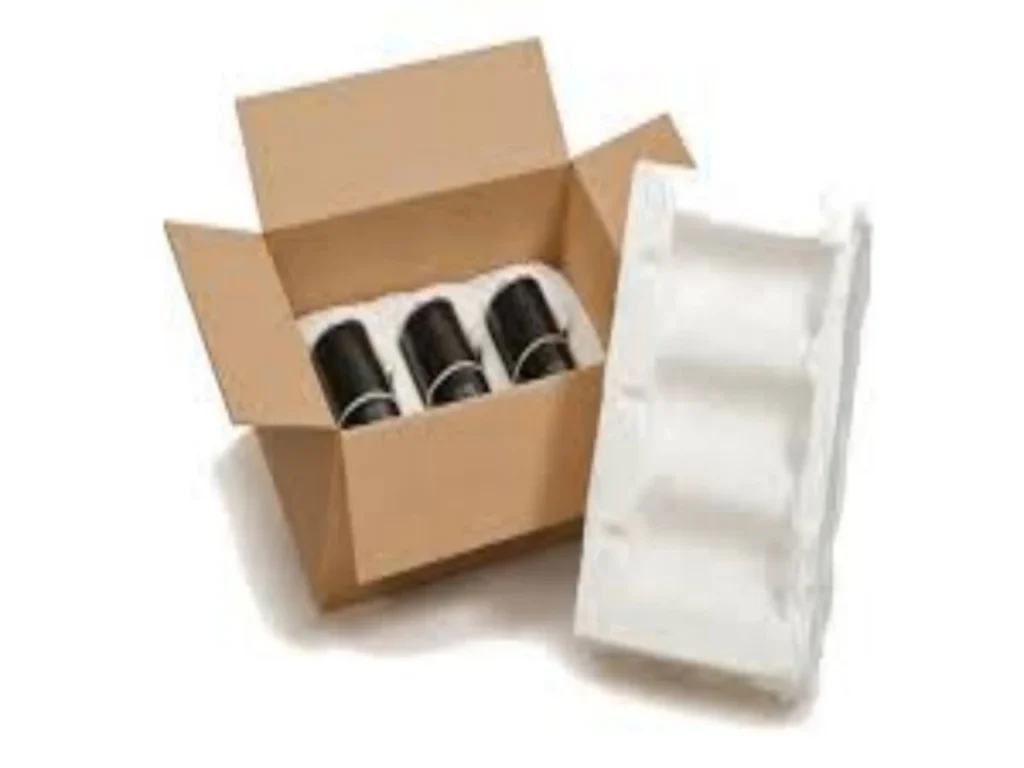
- Superior cushioning – closed‑cell structure absorbs shock efficiently.
- Lightweight – lowers transport costs and carbon footprint.
- High customizability – mold tooling matches product geometry.
- Waterproof and moisture‑proof – ideal for sensitive products.
- Design flexibility – can integrate antistatic, flame‑retardant, or other functional properties.
Decision Framework: How to Choose
| Decision Factor | Prefer Molded Foam | Prefer Traditional Packaging |
|---|---|---|
| Product value | High‑value, fragile | Low‑value, robust |
| Shipping distance | Long, multiple handling | Short, direct |
| Environmental conditions | Humid, variable | Dry, controlled |
| Sustainability priority | Full lifecycle assessment | Immediate biodegradability |
| Production volume | High (amortizes mold cost) | Low / one‑off |
| Brand positioning | Premium, precision | Mass‑market, commoditized |
Conclusion
There is no absolute “better” choice between molded foam and traditional packaging—the right choice depends on your specific requirements.
If your product is high‑value, fragile, or must survive harsh transit conditions, molded foam’s superior protection and lightweight advantages are unmatched.
If your product is low‑cost, durable, and shipped in controlled environments, traditional paper‑based packaging may be more cost‑effective and easier to recycle.
If you have any questions regarding EPS/EPP/ETPU molds, please feel free to contact us at Transfoam; we will provide you with the perfect solution.