
EPP Mold vs EPS Mold: 5 Key Differences for New Product Developers
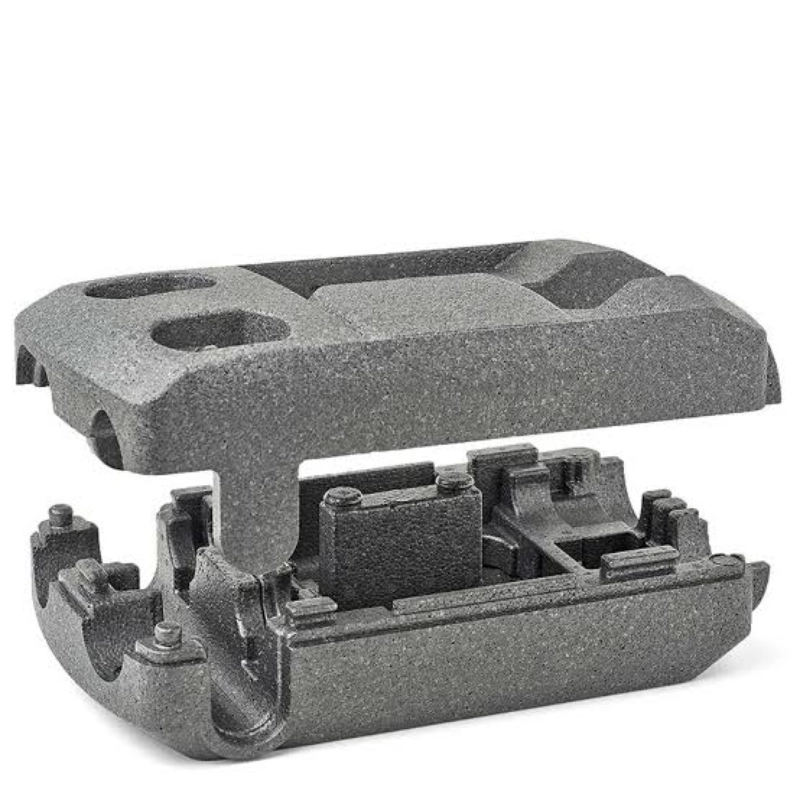
In the competitive landscape of industrial manufacturing and product design, the “hidden” technology of tooling often dictates the success of a project. For developers working with particle foams, the choice between EPP Mold vs EPS Mold is one of the most significant decisions they will face. However, many developers focus solely on the material properties, […]
The Strategic Role of ICF Molds in Sustainable Construction
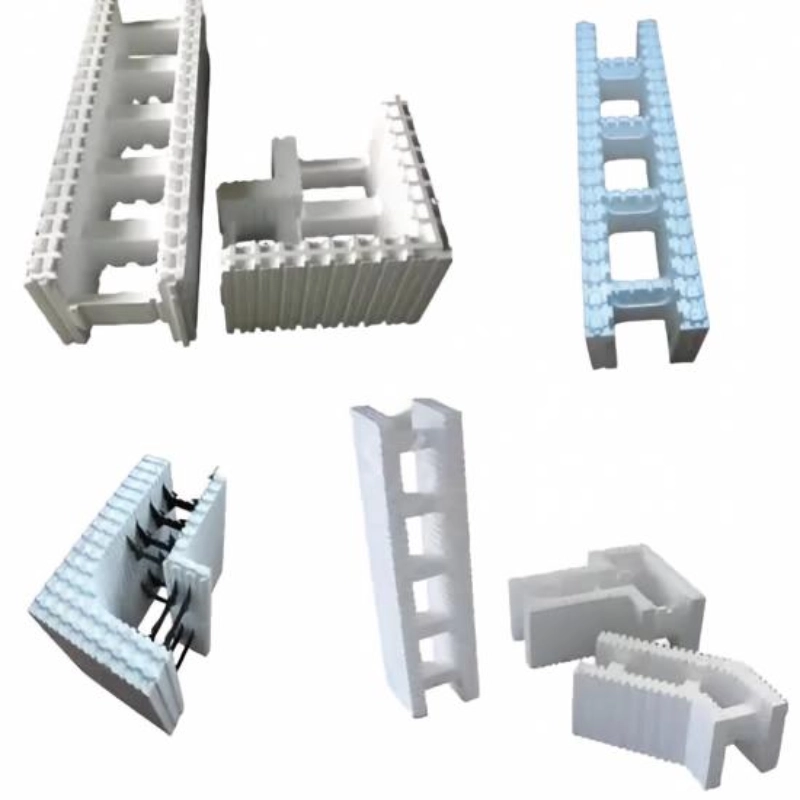
As urban populations swell and the climate crisis intensifies, the demand for housing that is both affordable and thermally efficient has reached an all-time high. Traditional timber-frame or brick-and-mortar construction often fails to meet the stringent requirements of modern energy codes and disaster resilience. Enter Insulated Concrete Forms (ICF)—a high-performance building system that acts as the “Lego” of the construction […]
How to Make Foam Concrete Blocks: A Complete Guide to Lightweight Concrete Block Production
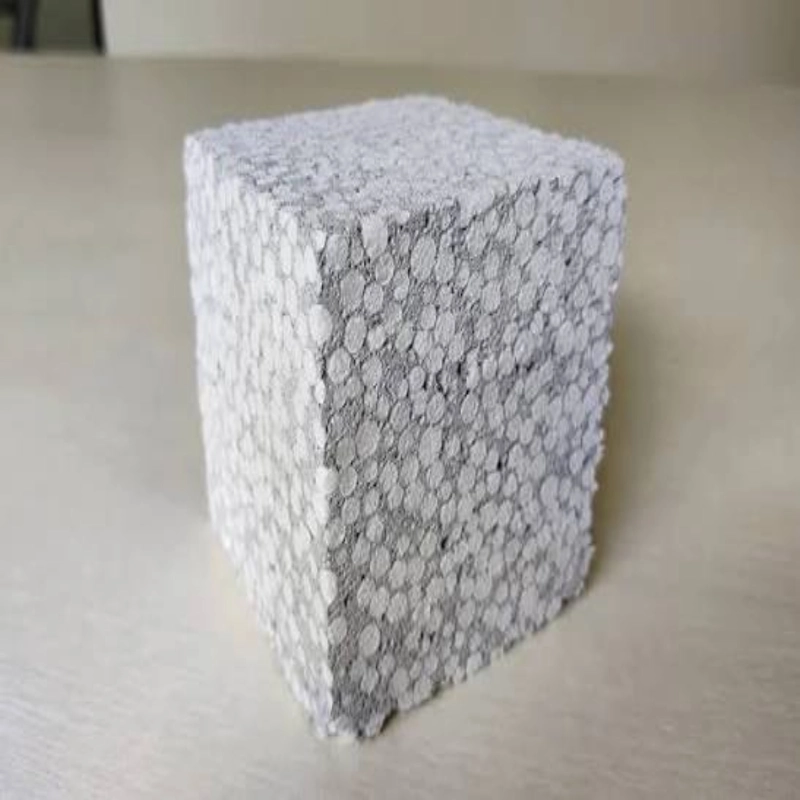
Foam Concrete Blocks have become increasingly popular in modern construction because they combine lightweight performance, thermal insulation, durability, and cost efficiency. Unlike traditional concrete blocks, foam concrete blocks contain a large number of small air bubbles, which significantly reduce their weight while maintaining sufficient strength for many building applications. With growing demand for energy-efficient and […]
3D Printing vs Injection Molding: Key Differences
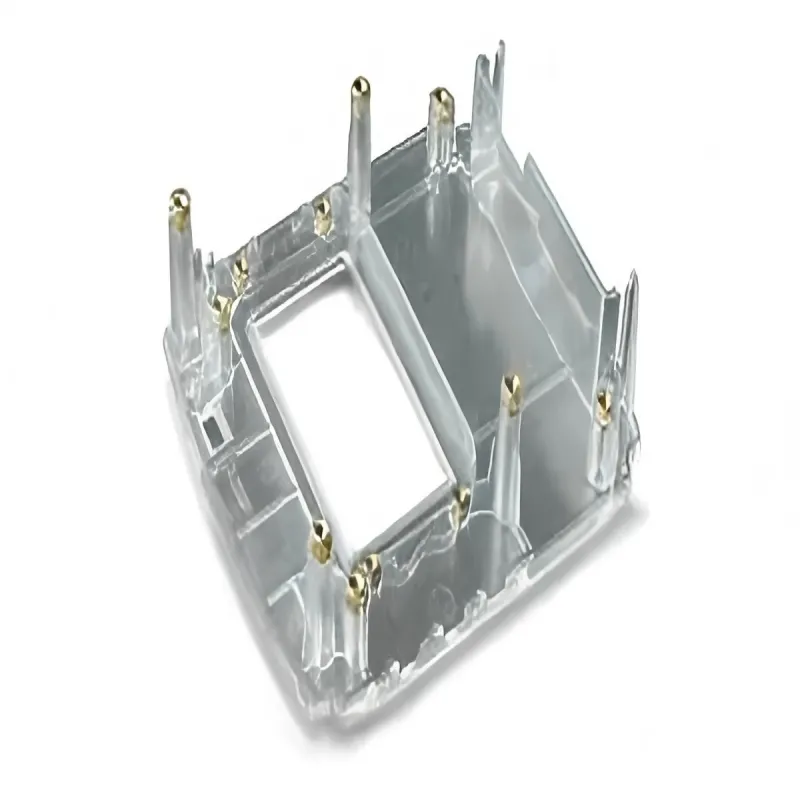
In modern manufacturing, companies are constantly searching for faster, more cost-effective, and more flexible production methods. Two technologies that have attracted significant attention in recent years are 3D printing vs injection molding. Both manufacturing processes allow companies to create complex plastic parts, prototypes, and industrial components, but they serve very different purposes. Choosing between 3D […]
What Is EPS Decorative Concrete? A Complete Guide to Lightweight Architectural Concrete Solutions
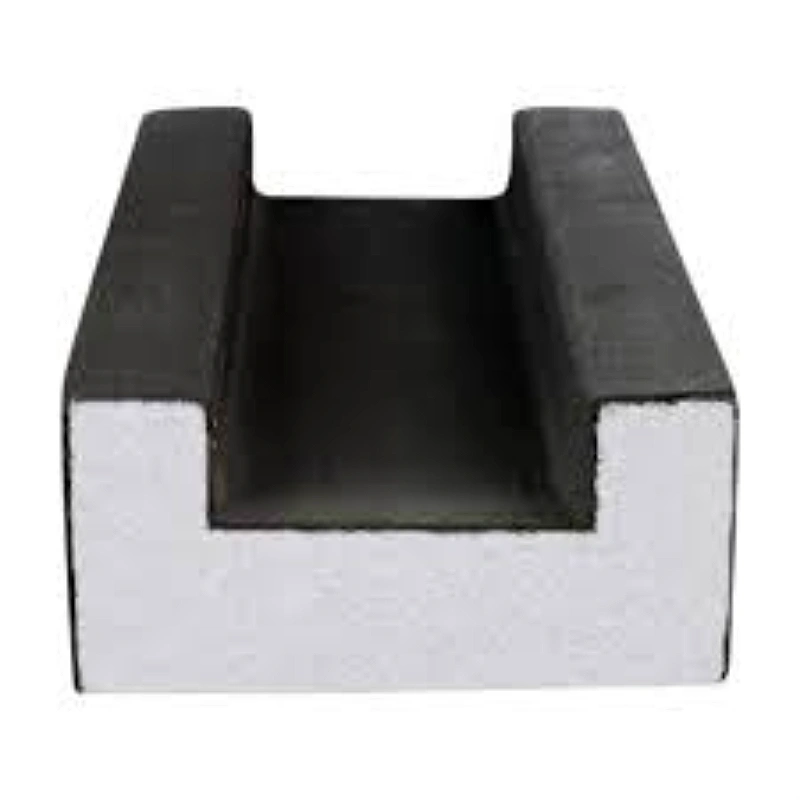
EPS decorative concrete combines Expanded Polystyrene (EPS) foam technology with decorative concrete finishes to create lightweight architectural elements that replicate the appearance of traditional stone, concrete, brick, or other textured surfaces. Unlike conventional concrete structures, EPS decorative concrete products use EPS foam as a lightweight core material, often reinforced with coatings such as cement-based layers, […]
How Molded Foam Packaging Is Made: Step-by-Step Process
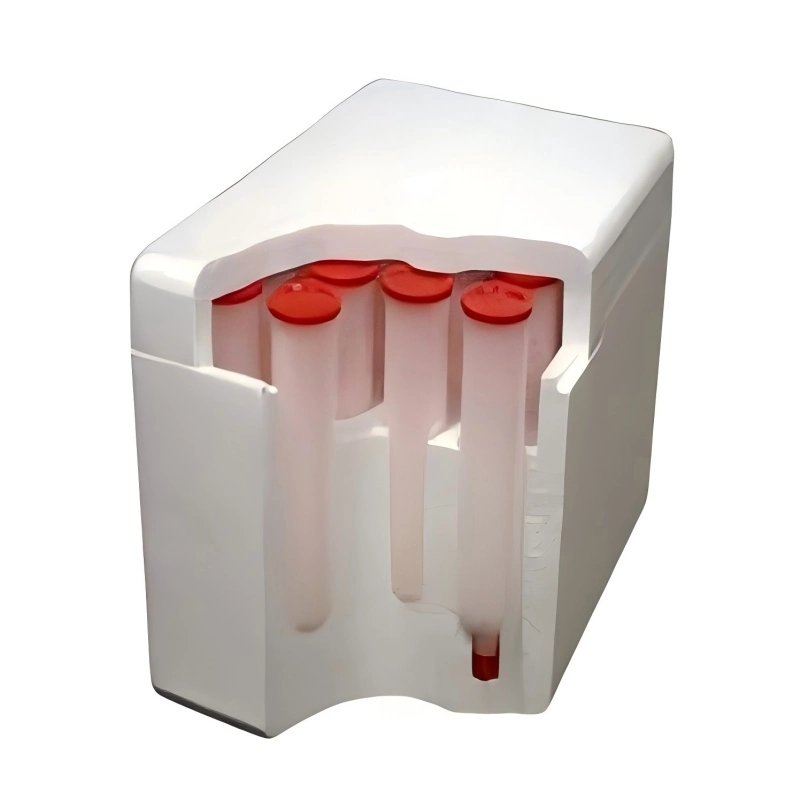
Molded foam packaging is everywhere—from the protective inserts in electronics boxes to the lightweight dunnage protecting automotive parts during shipment. But how exactly do those tiny plastic beads transform into custom-shaped, protective packaging? The process varies depending on the material, but the core principle remains the same: expandable polymer beads are heated, fused, and shaped […]
Molded Foam Packaging vs Traditional Packaging: Key Differences
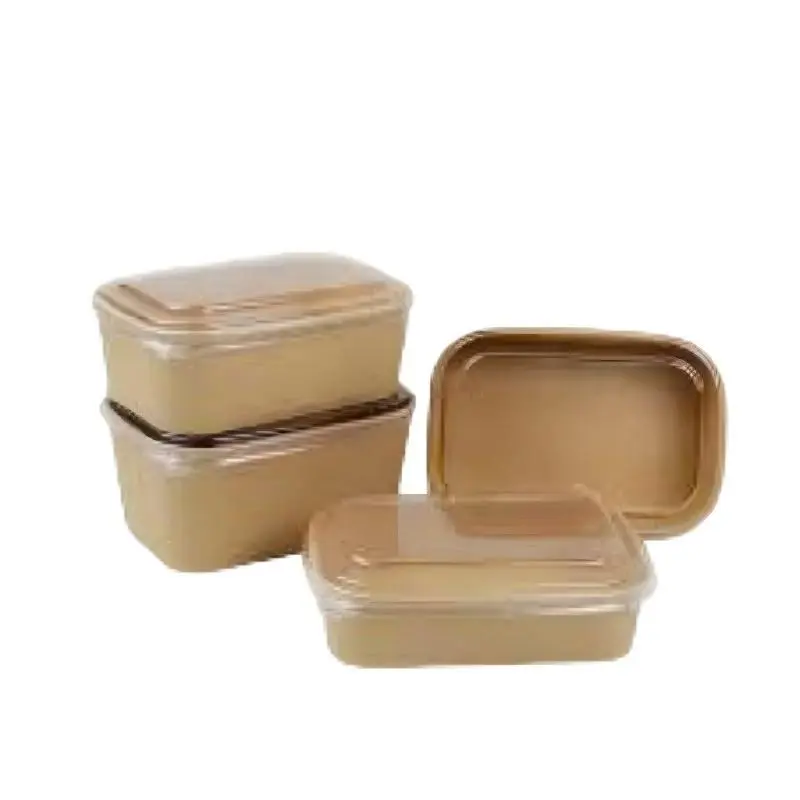
In today’s competitive marketplace, packaging is far more than a protective shell—it is a strategic asset that influences brand perception, logistics costs, and environmental footprint. When companies decide how to package high‑value products, they often face a fundamental choice: precision‑engineered molded foam packaging or traditional materials such as corrugated cardboard, wood, and generic plastics. Molded […]
EPP Mold Air Vent Design Optimization Guide
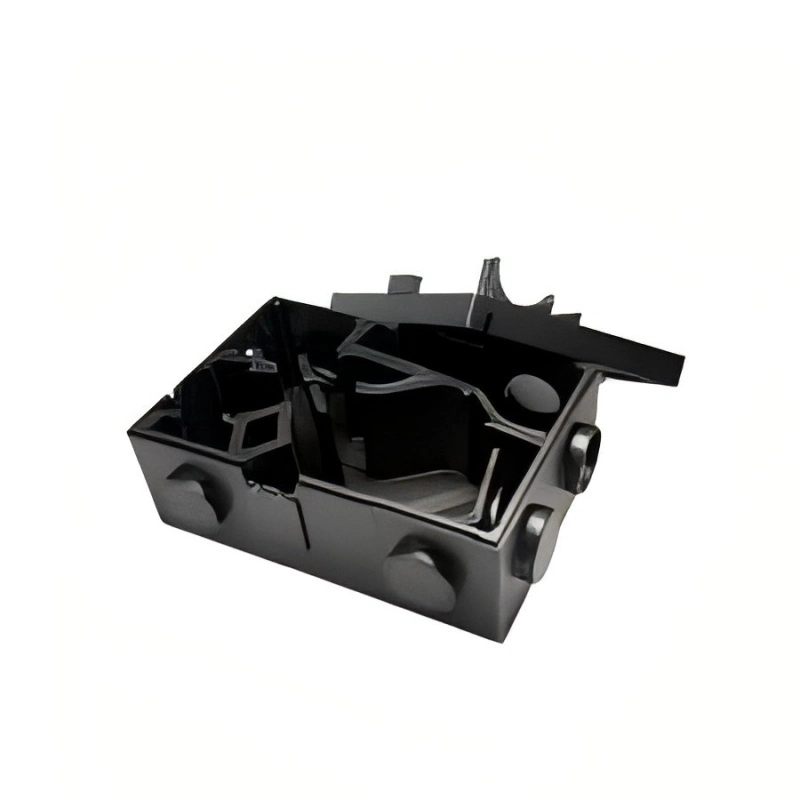
Expanded Polypropylene (EPP) molding is a specialized manufacturing process that transforms polypropylene beads into lightweight, durable foam components through steam fusion. Unlike conventional injection molding, EPP molding involves the expansion and fusion of beads within a closed mold cavity, making air vent design one of the most critical factors determining part quality, cycle time, and […]
How to Control Mold Lead Time: A Complete Guide for Manufacturers
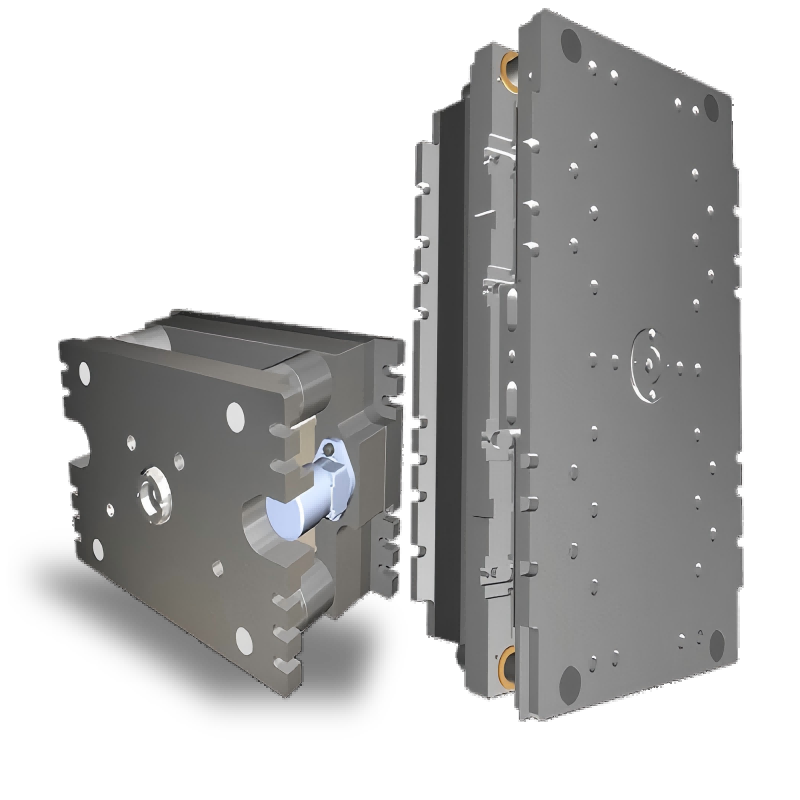
In the world of injection molding, lead time is everything. A delayed mold means delayed production, delayed revenue, and potentially lost customers. Yet controlling mold lead time remains one of the most persistent challenges facing mold manufacturers and their clients alike. A standard injection molding project—from approved CAD to first production shipment—typically takes 6 to […]
Why EPP Battery Mold Is Becoming Essential for Ev Battery Protection Packaging
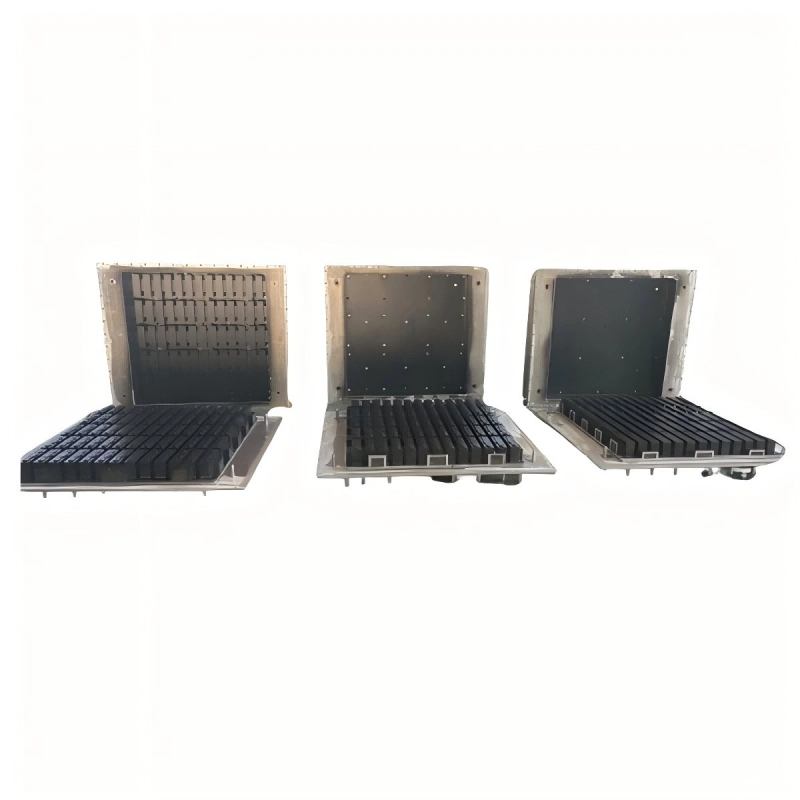
Unlike traditional automotive components, EV batteries are highly sensitive products. They require reliable protection against impact, vibration, moisture, temperature changes, and mechanical stress. A small amount of damage during transportation can result in expensive losses, safety risks, or performance issues. The demand for EPP battery mold technology is growing rapidly because it enables manufacturers to […]